
Atlas

Narrative Fiction & Friction Archive
symbol
symbol
symbol
symbol
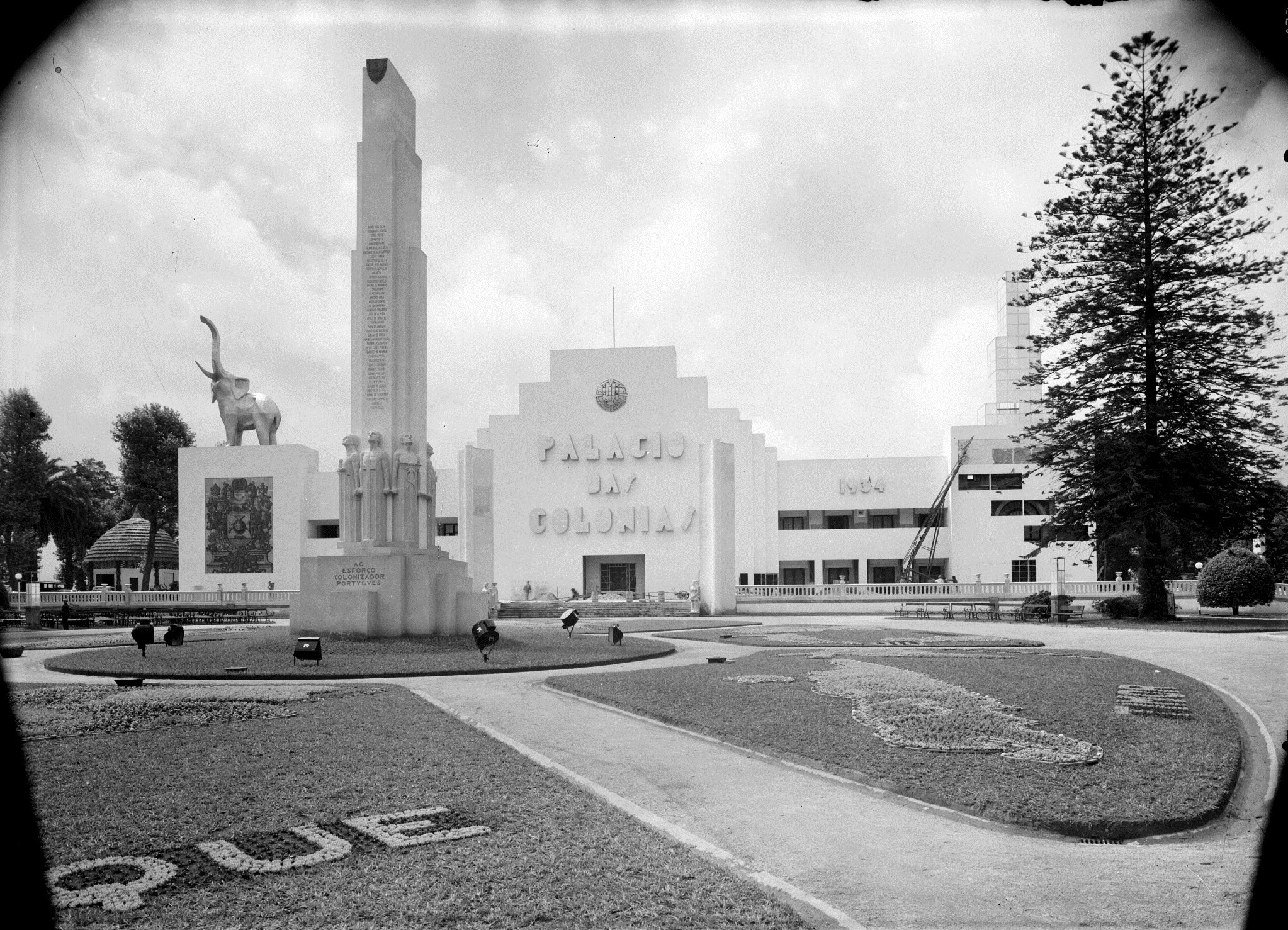
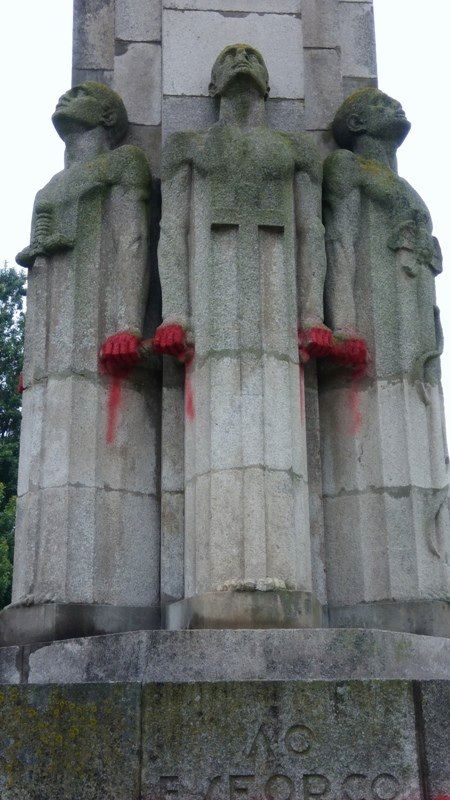
Monument to the Colonising Effort
Chronicle of Guinea's Achievements (cover)
«Double Century» Celebrations
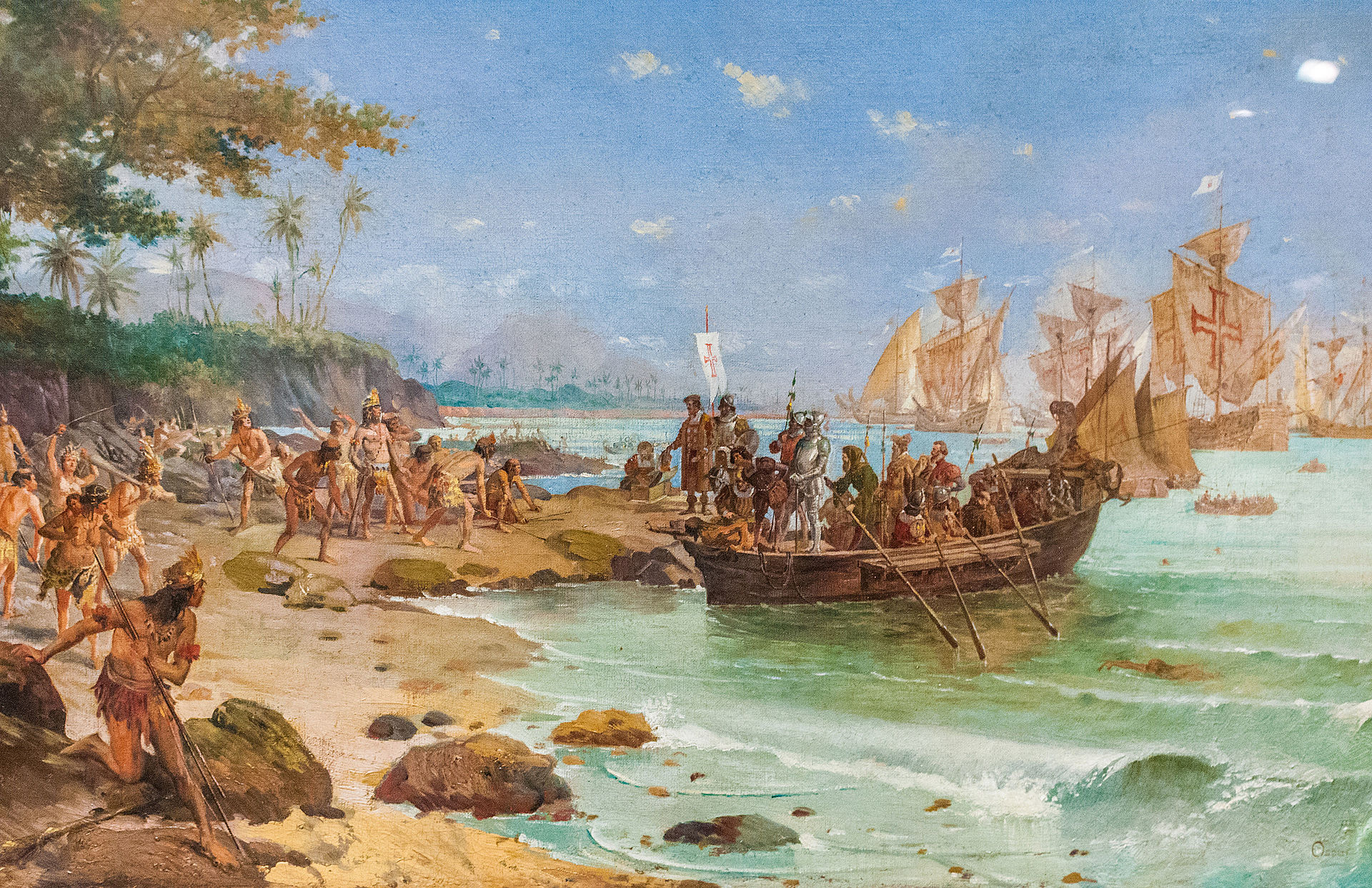
Landing of Pedro Álvares Cabral in Porto Seguro
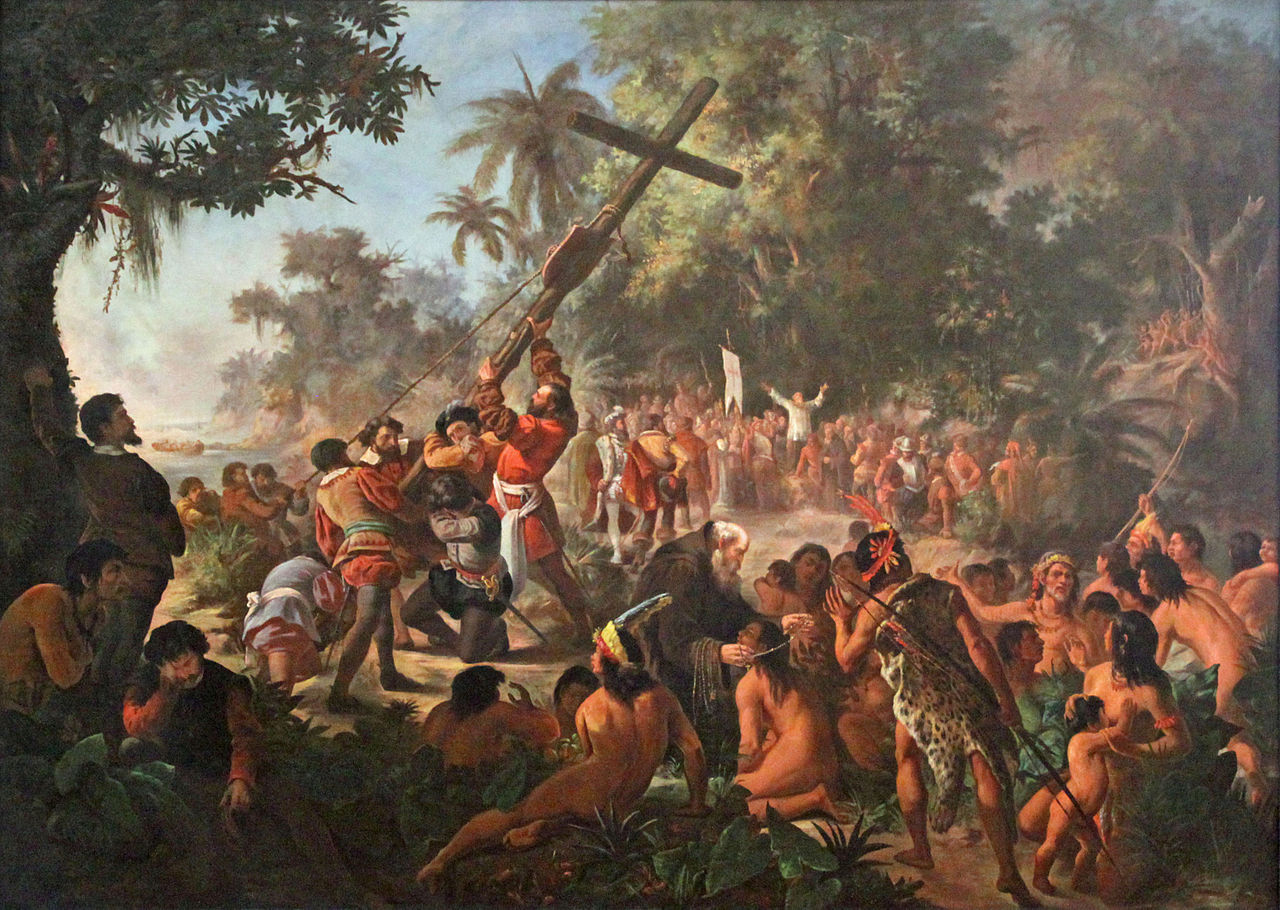
Heisting of the Cross in Porto Seguro
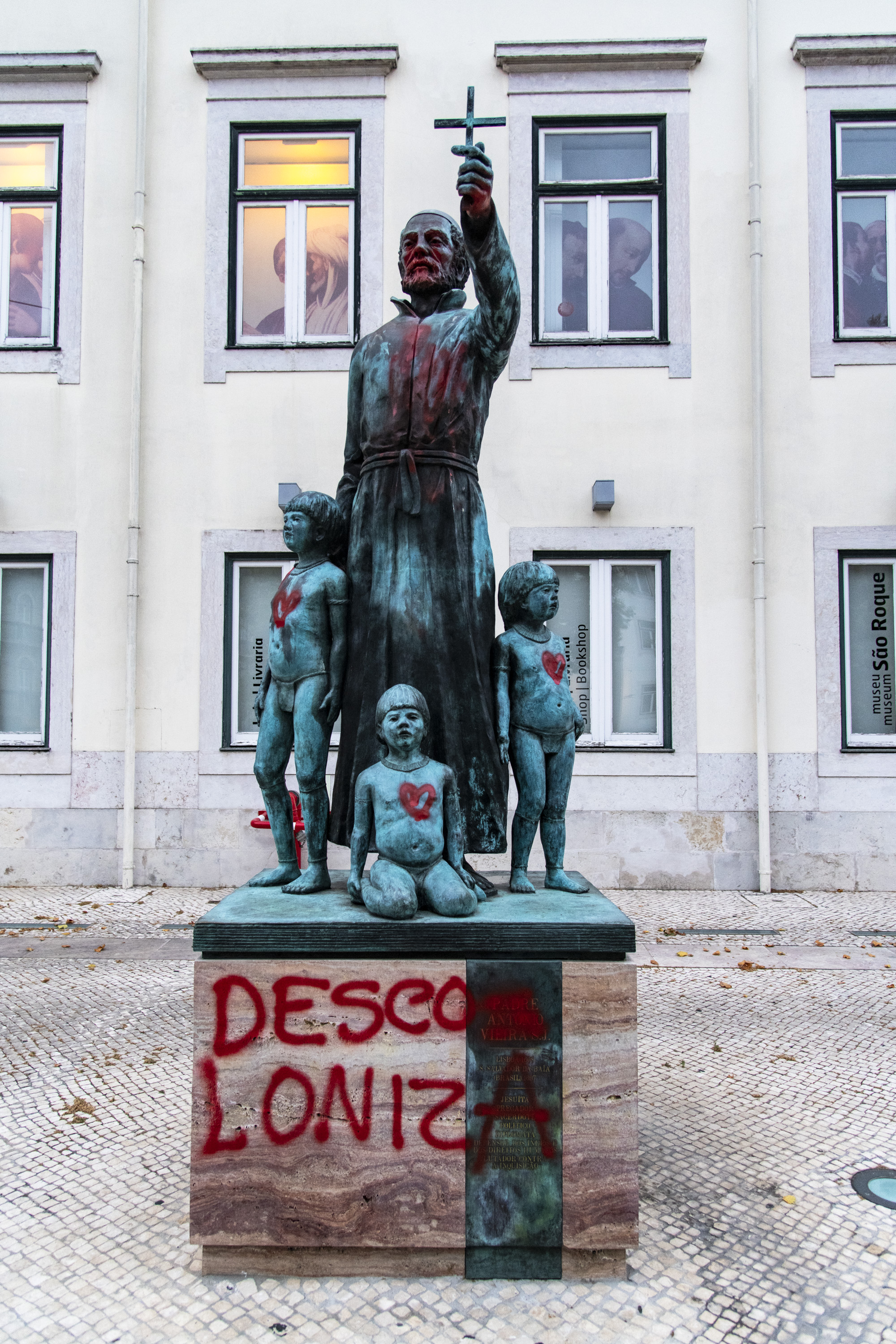
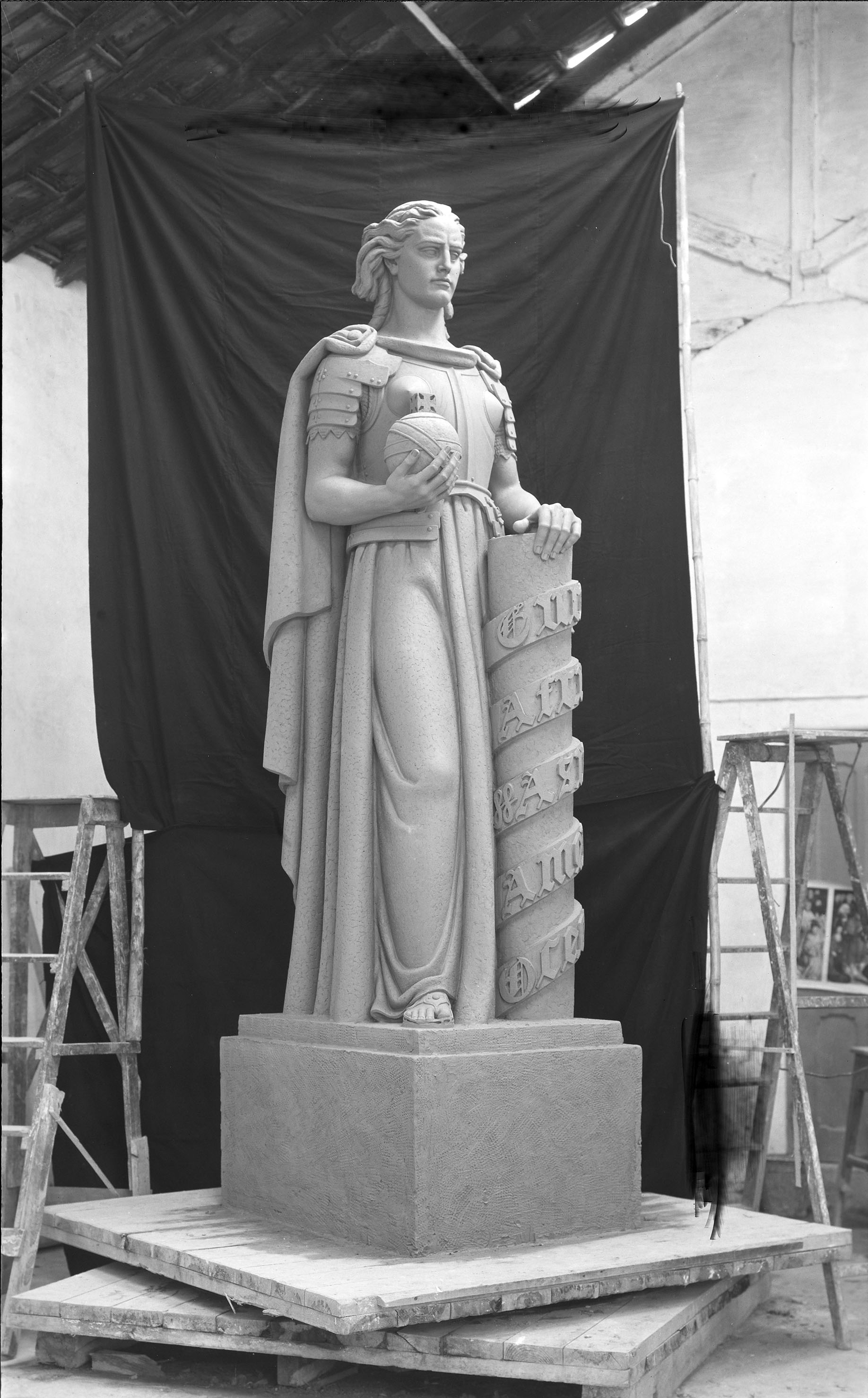
Father António Vieira statue
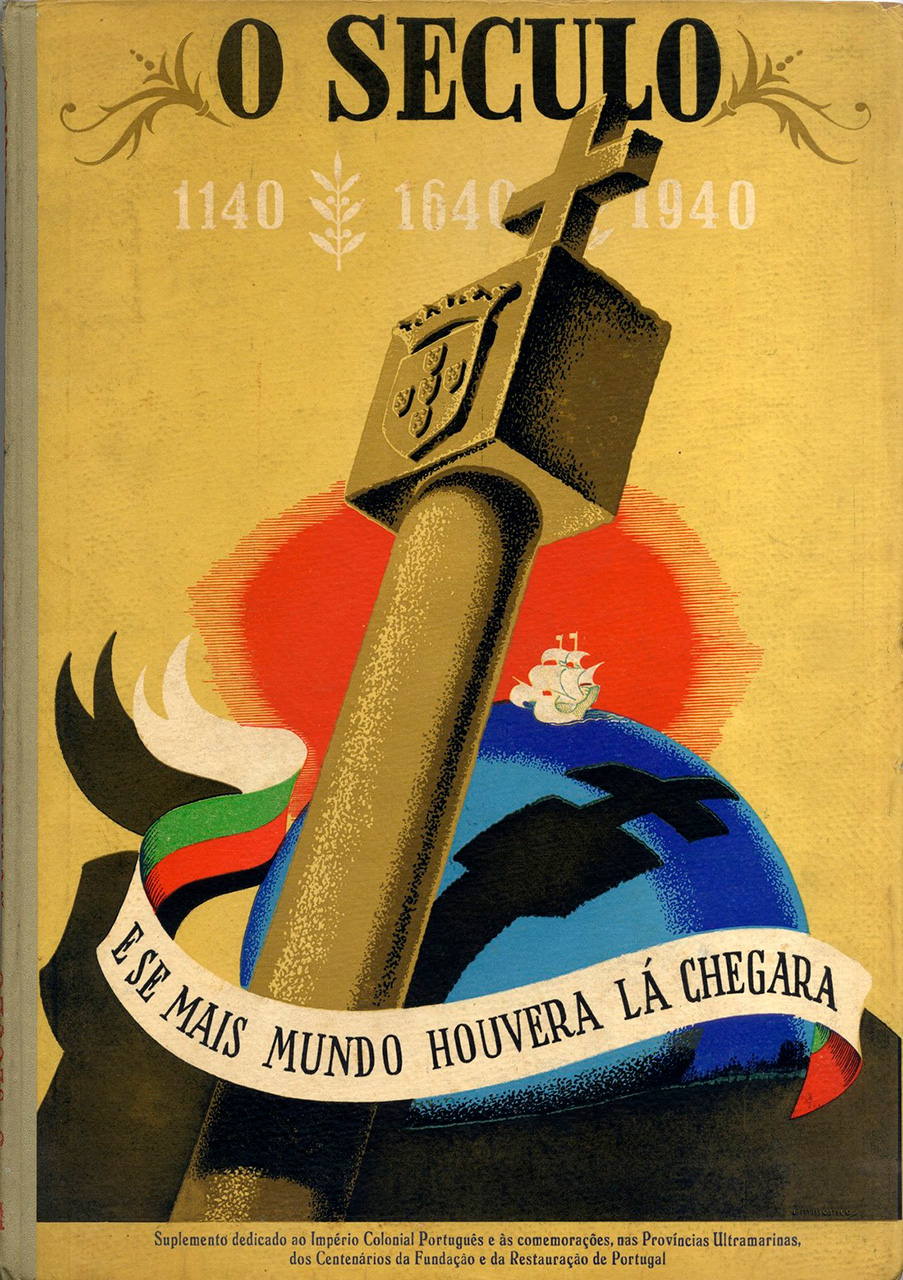
O Século Magazine
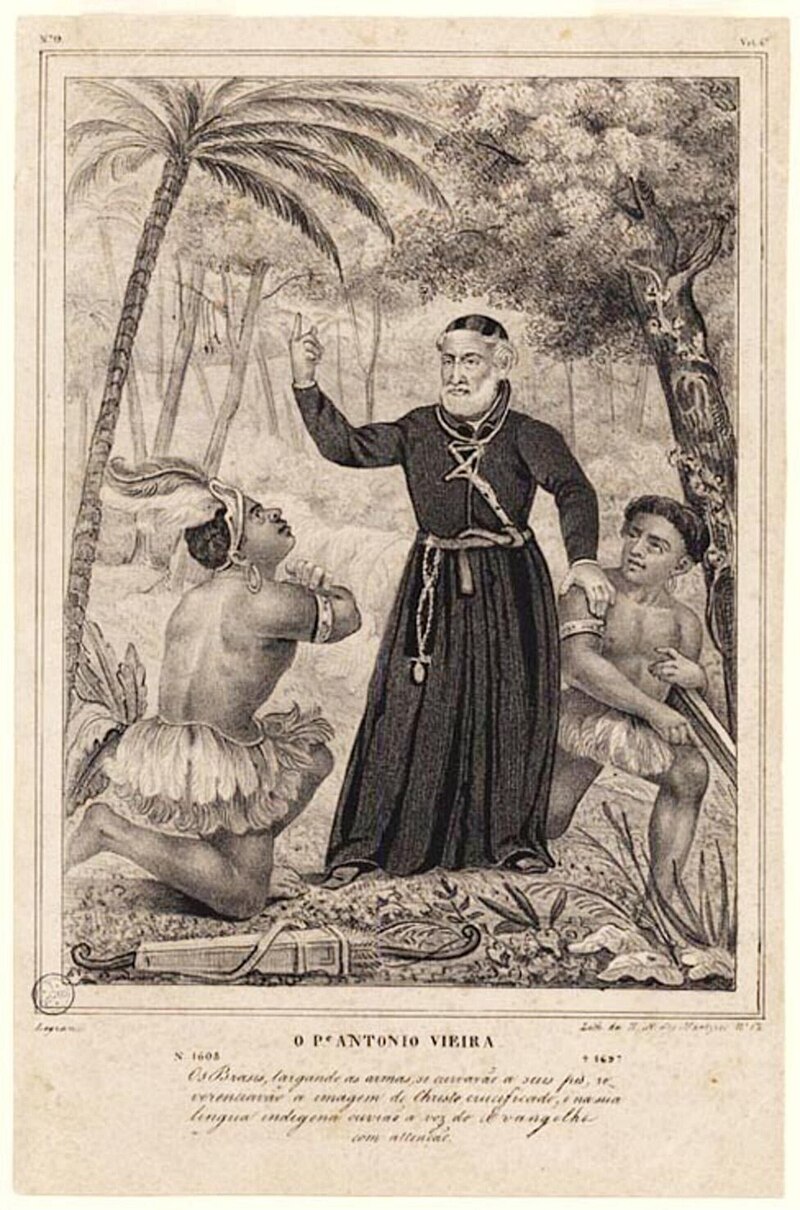
Father António Vieira (Painting)
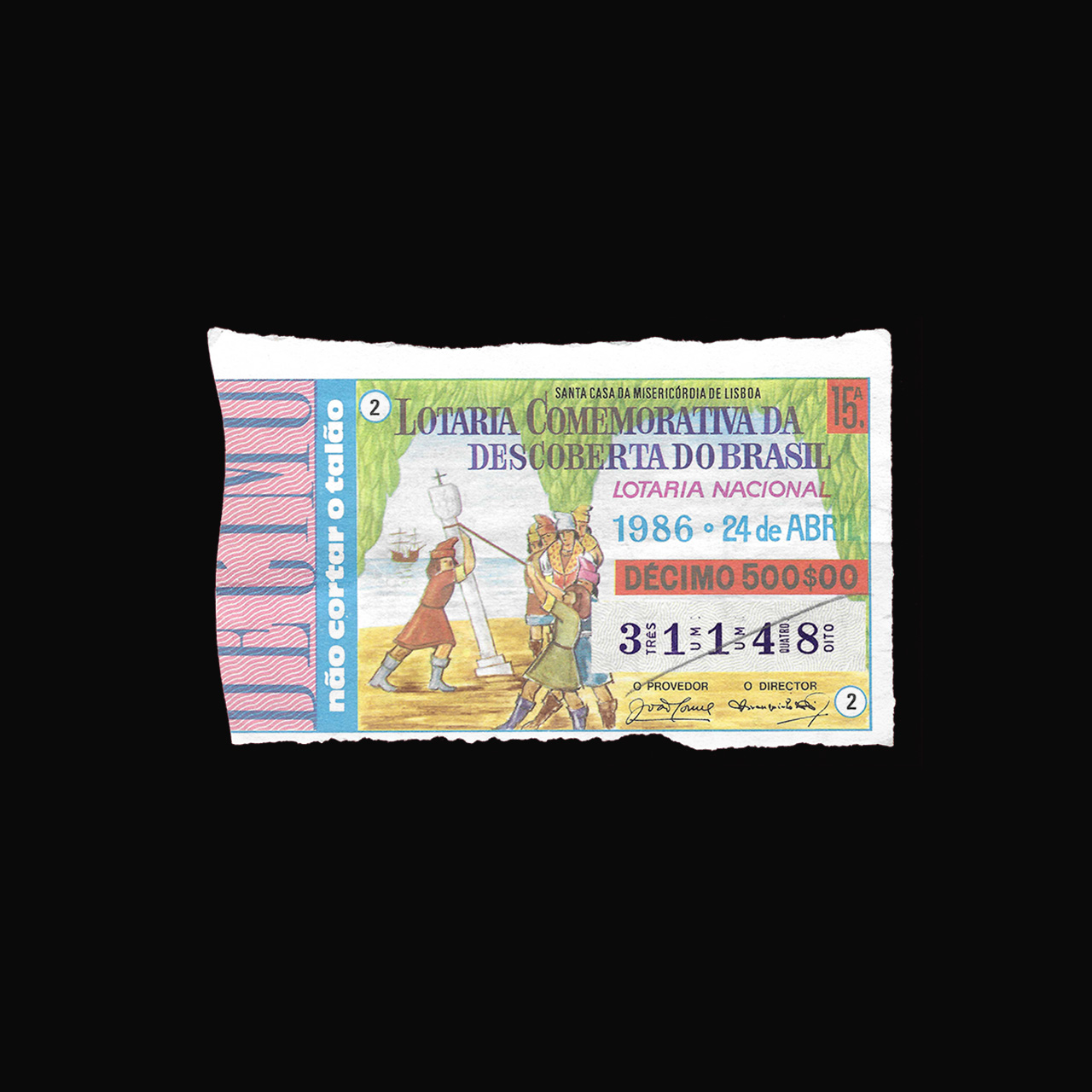
Lottery Commemorating the ‘Discovery’ of Brazil
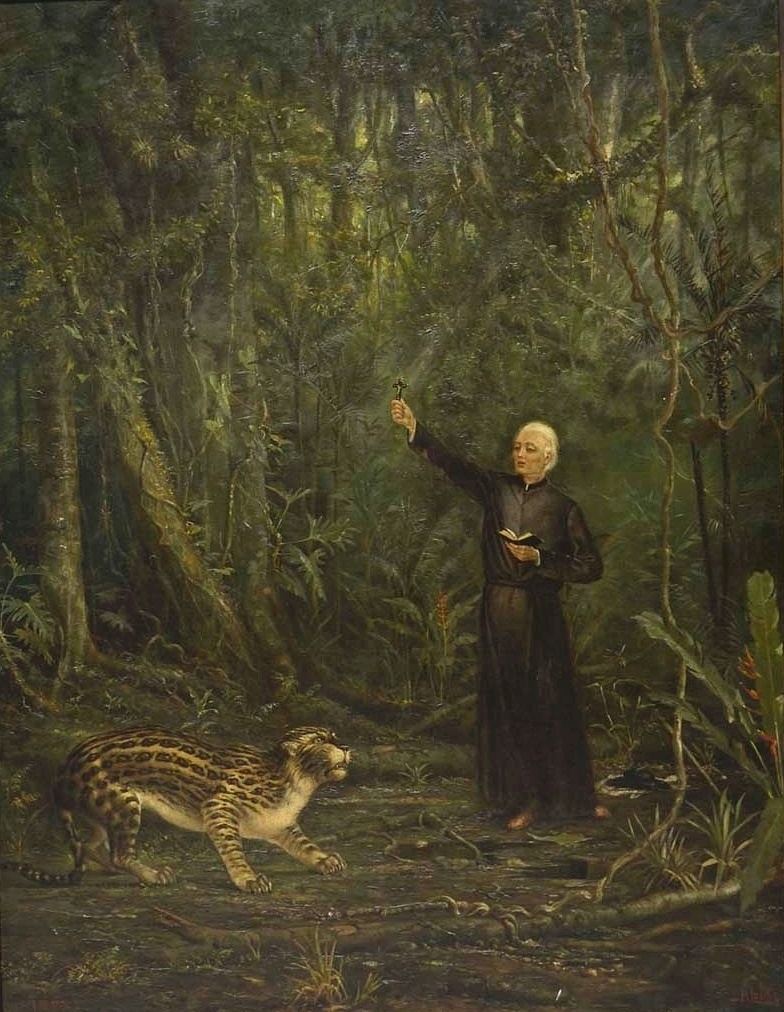
Anchieta and the Beasts
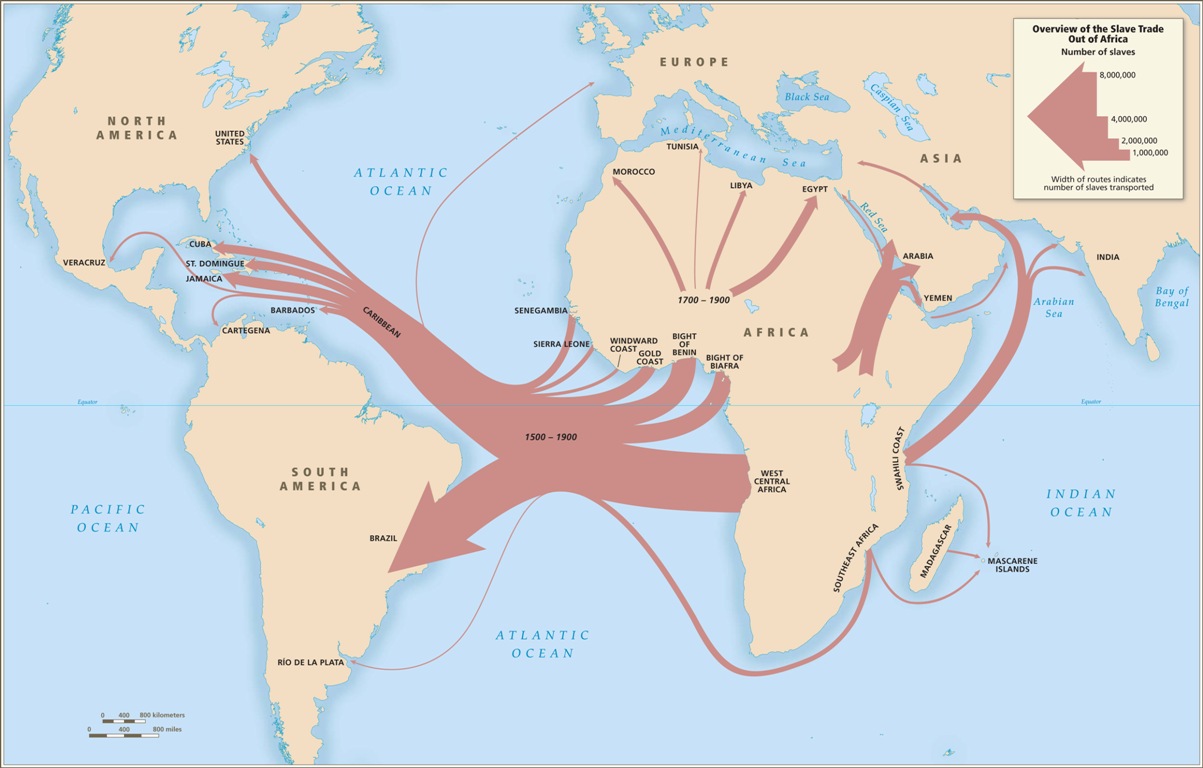
General map of the transatlantic traffic
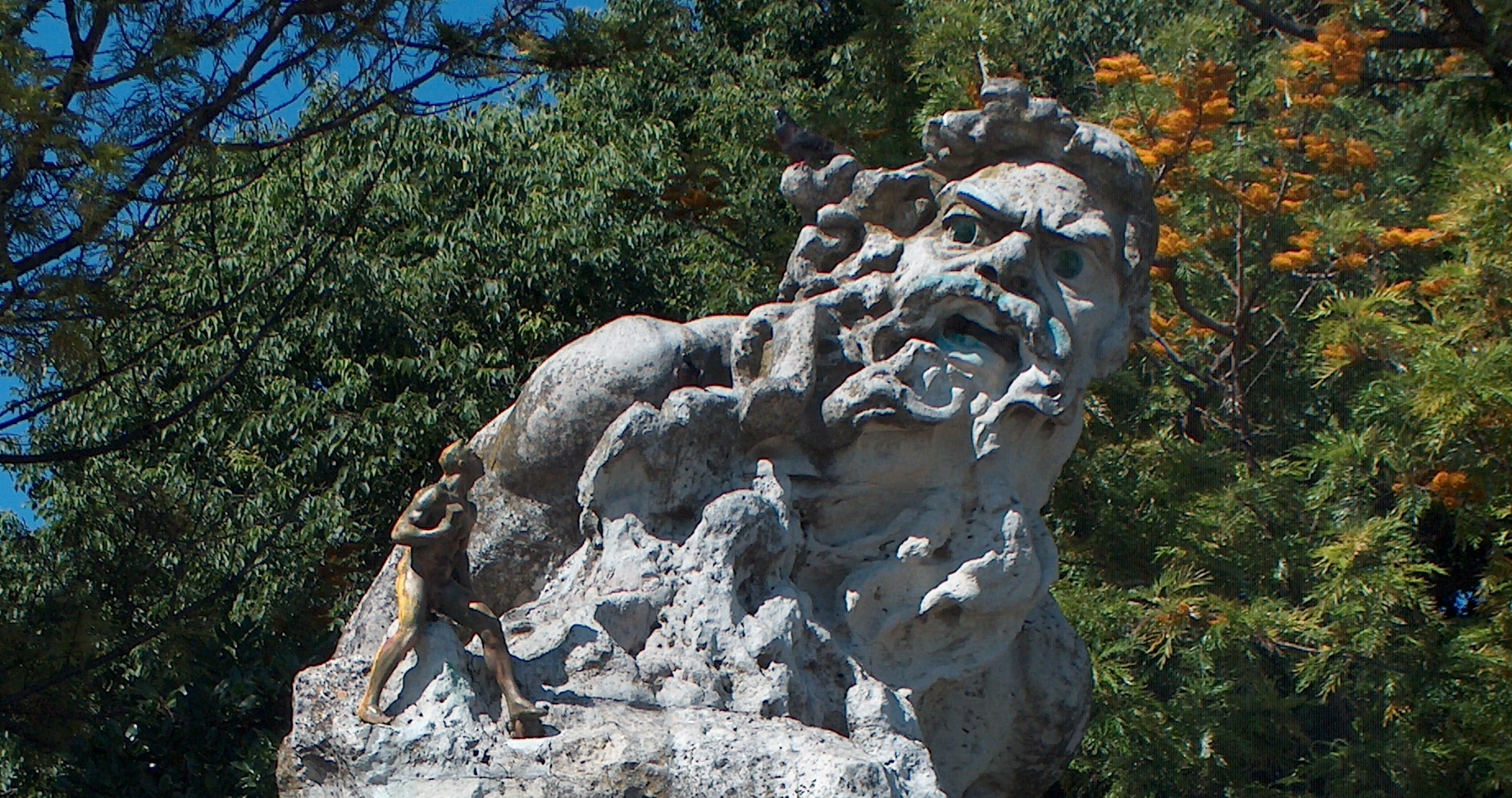
Adamastor Monument
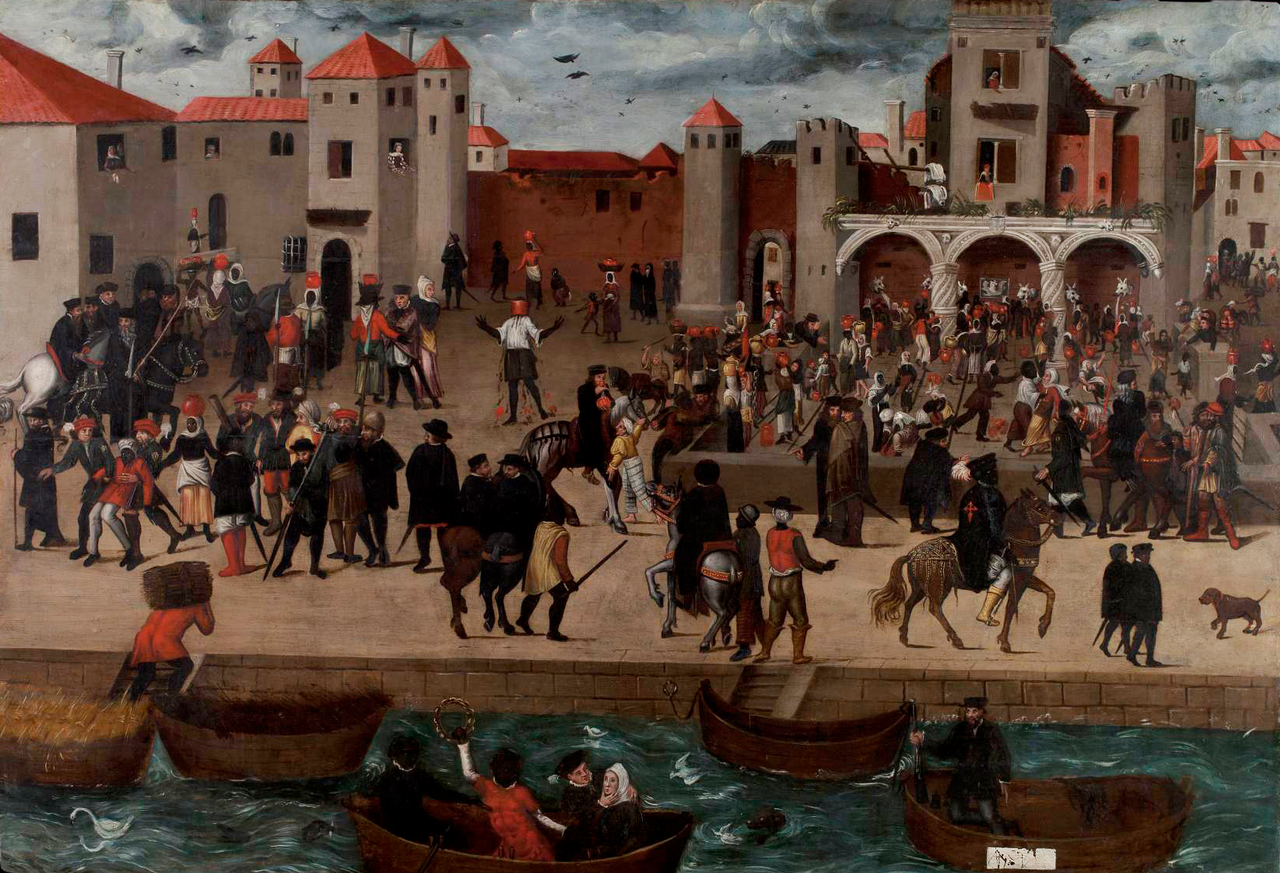
El-Rei Fountain (Painting)
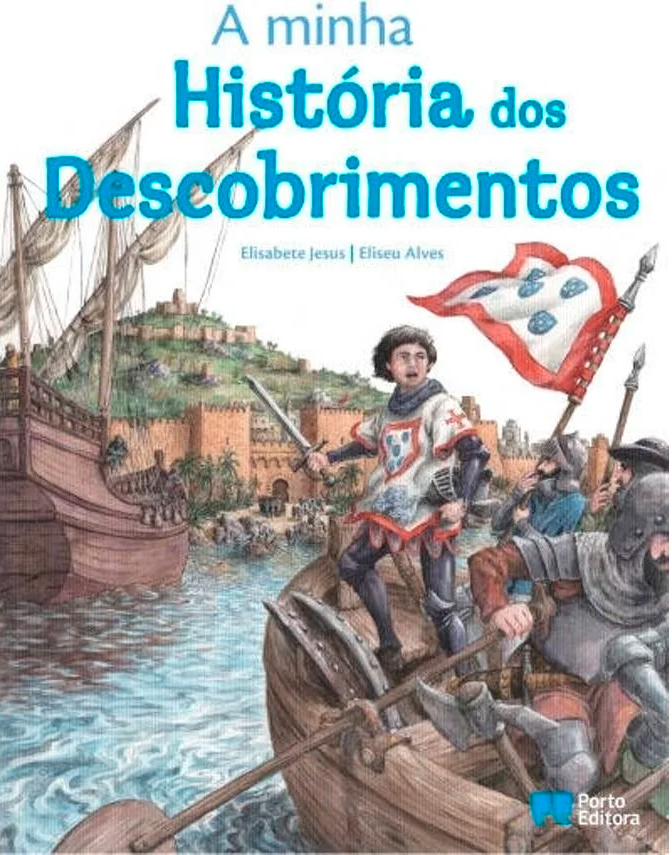
My History of the Discovery Age
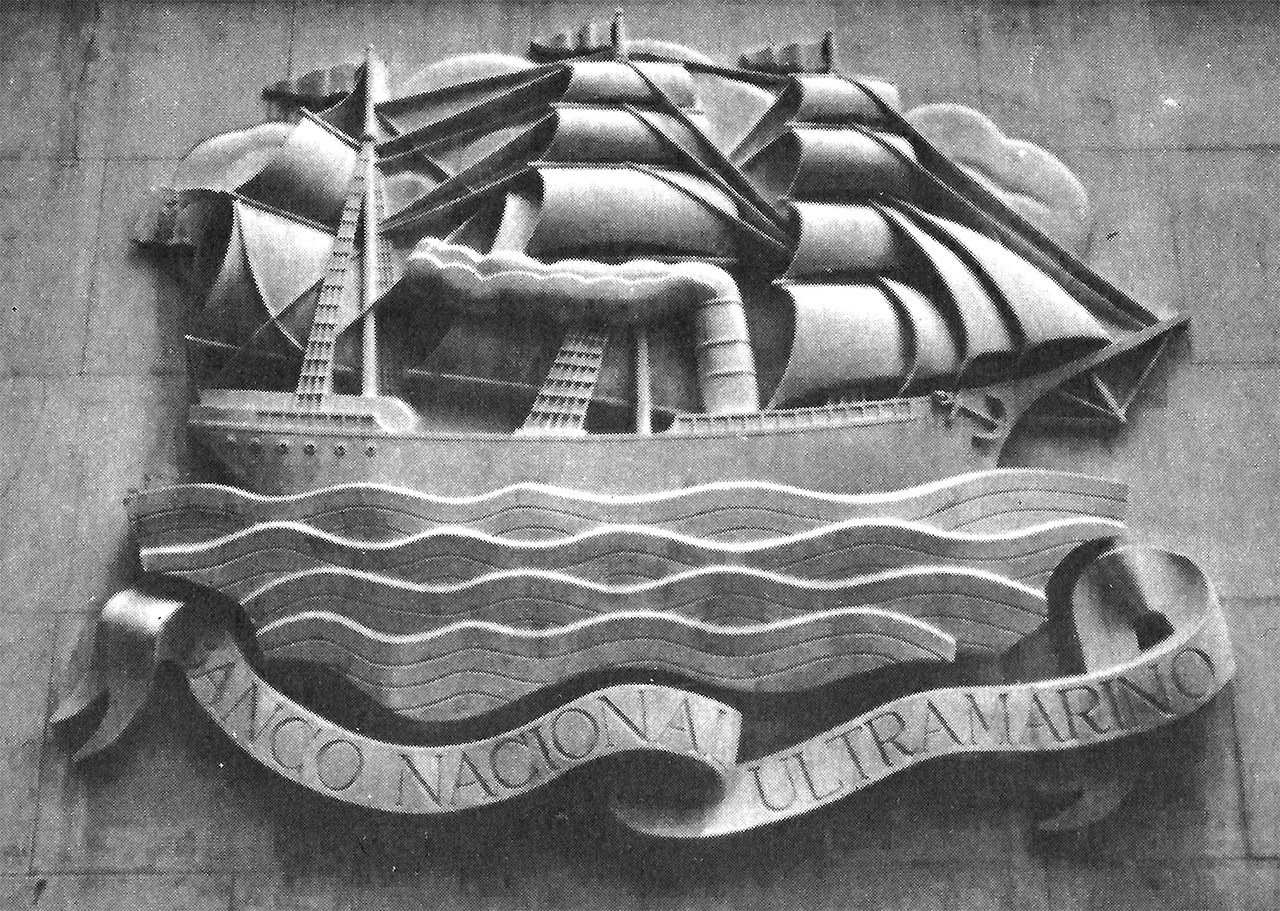
National Overseas Bank
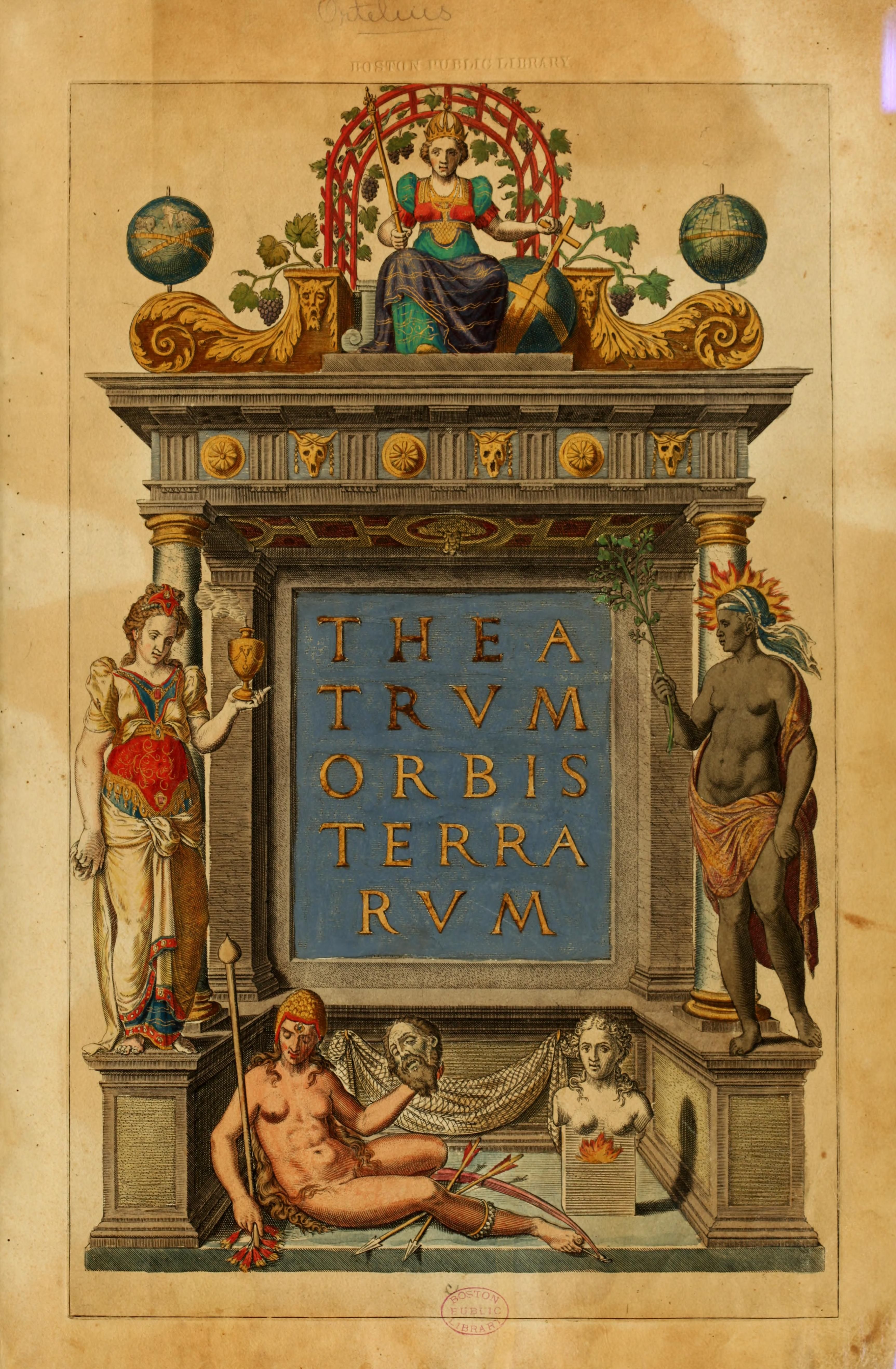
Theatrum Orbis Terrarum
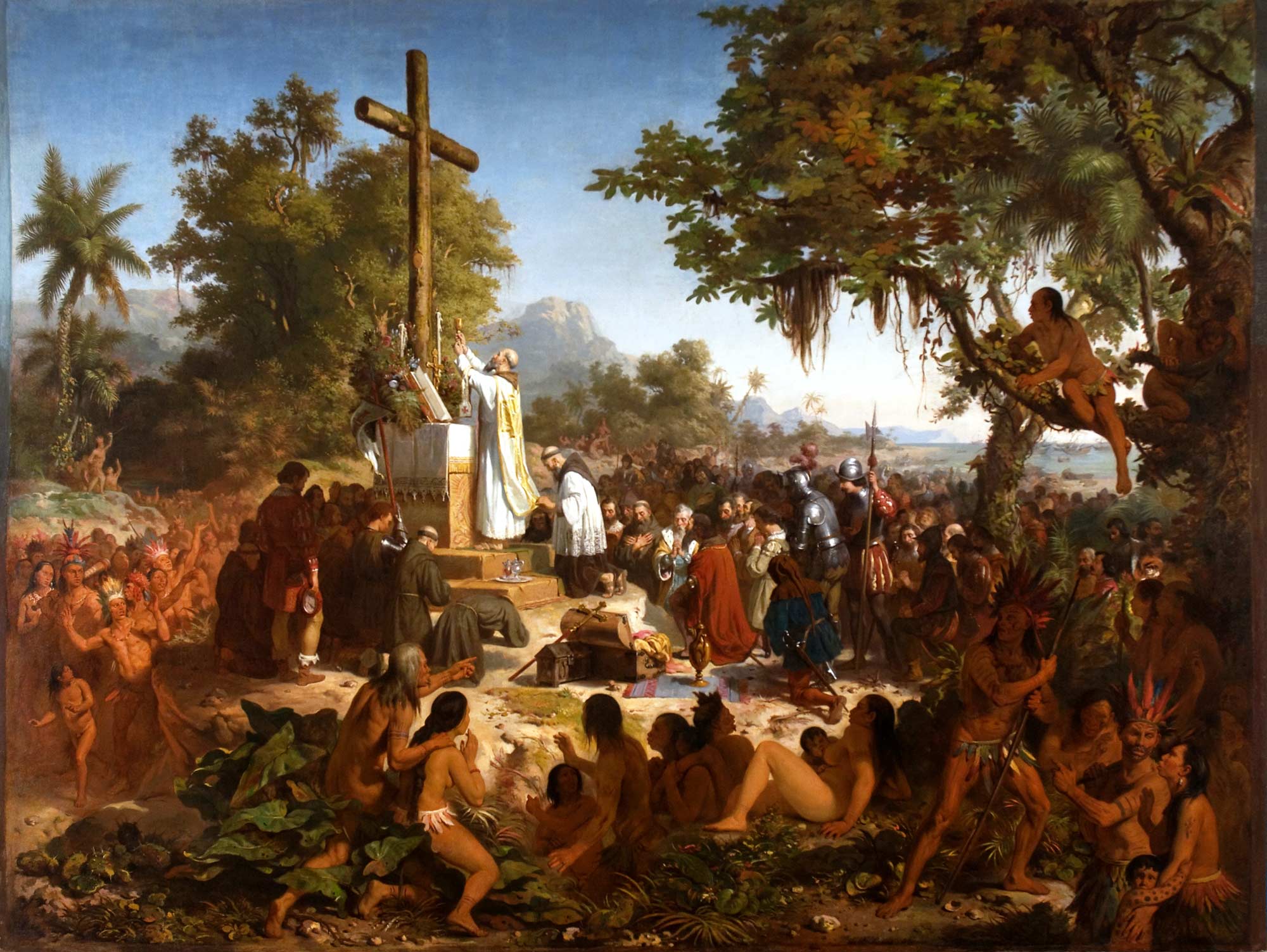
The First Mass in Brazil
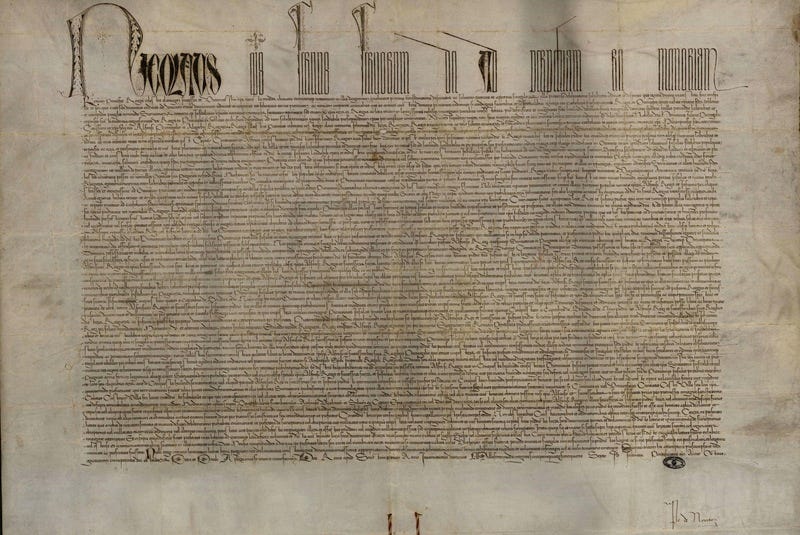
Dum Diversas
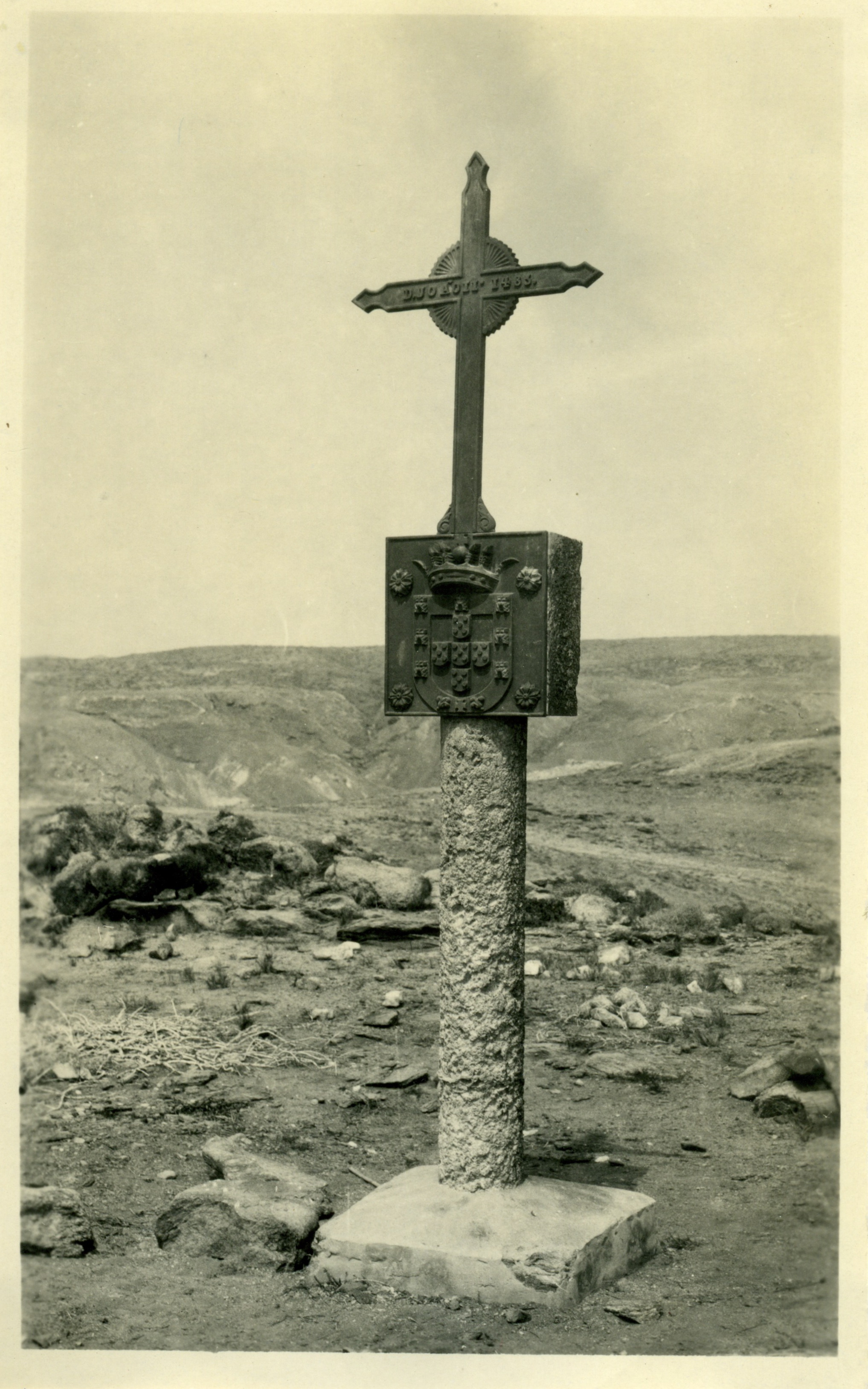
Padrão (replica)
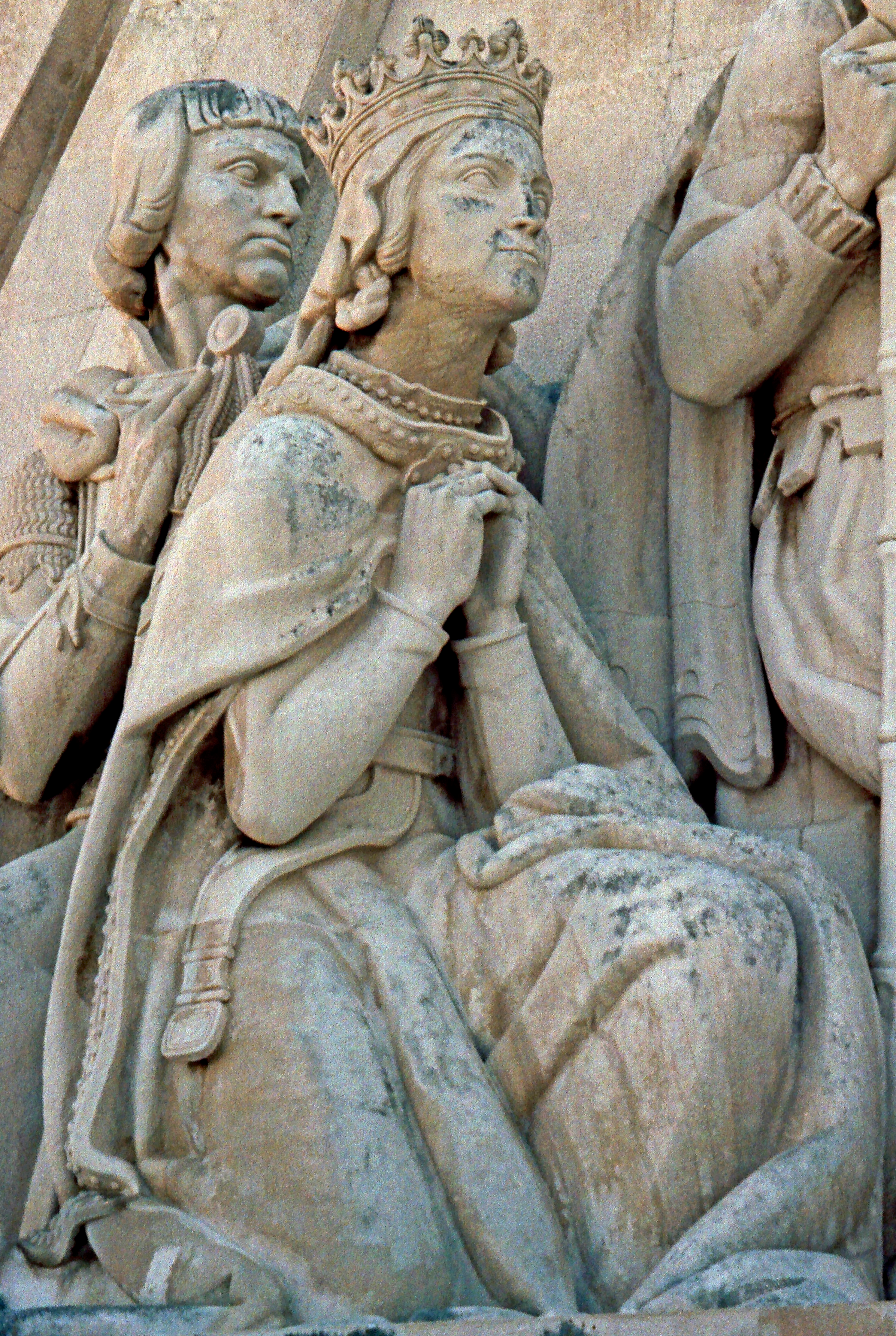
Filipa de Lencastre in the Monument to the
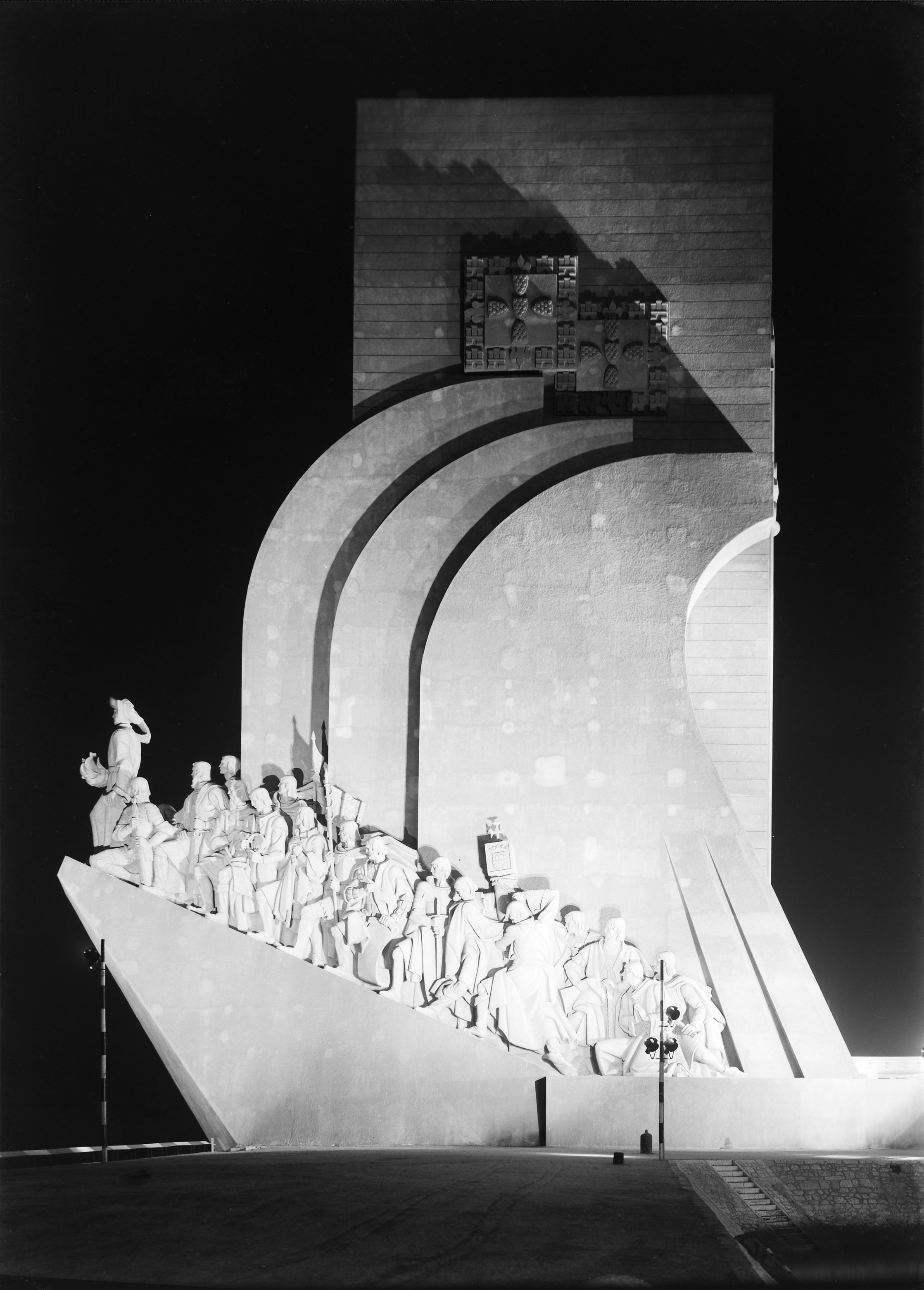
Monument to the
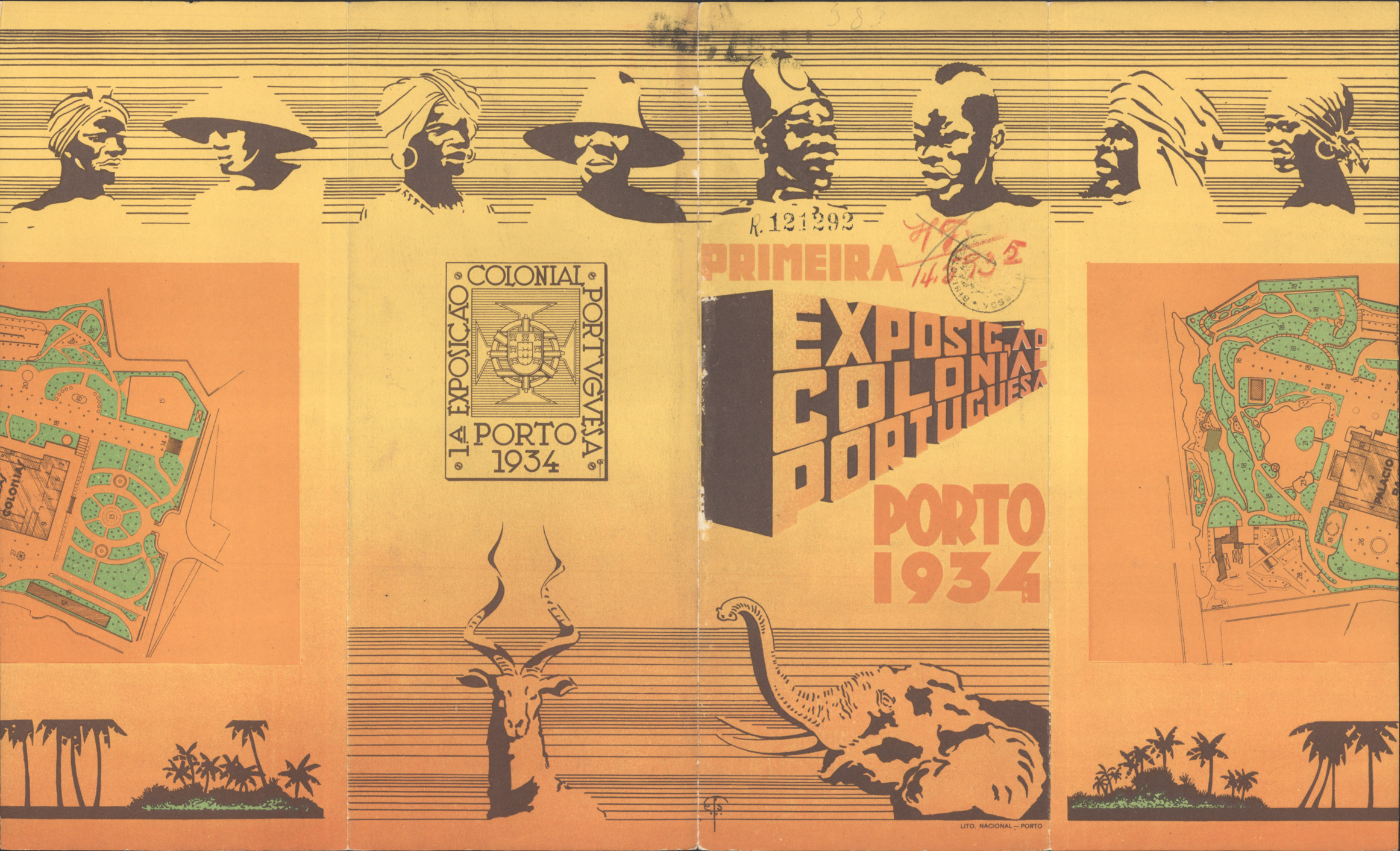
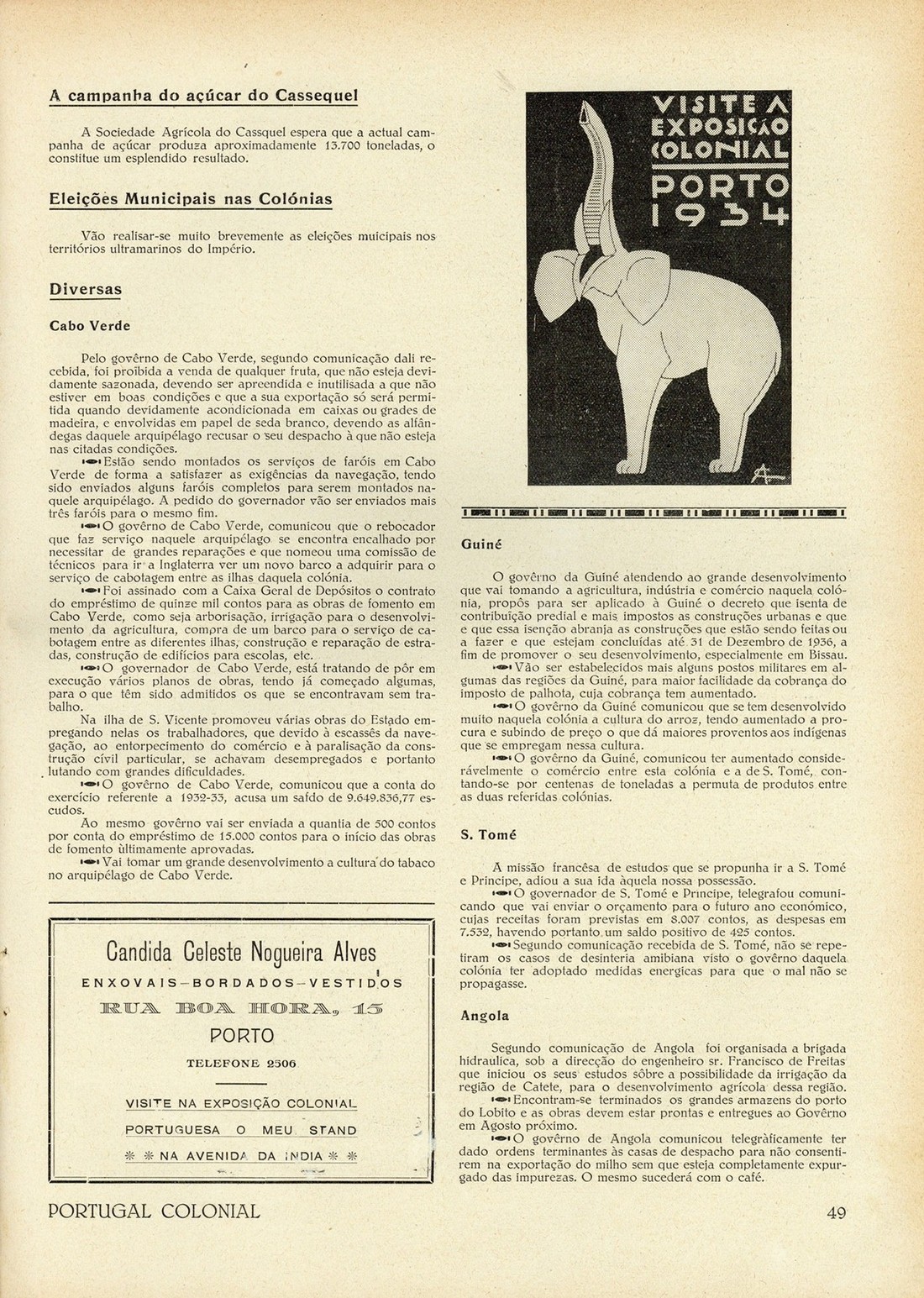
First Portuguese Colonial Exhibition
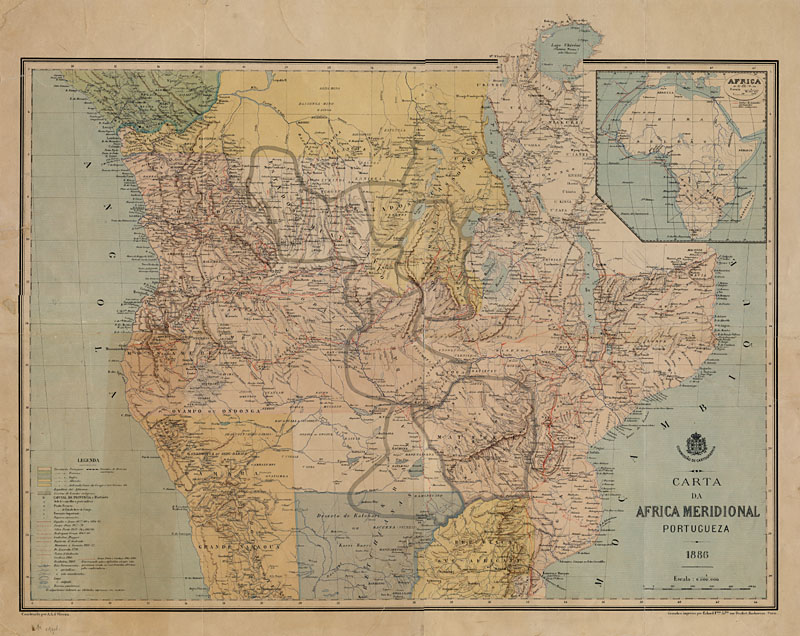
Pink Map
Monument to the Colonising Effort
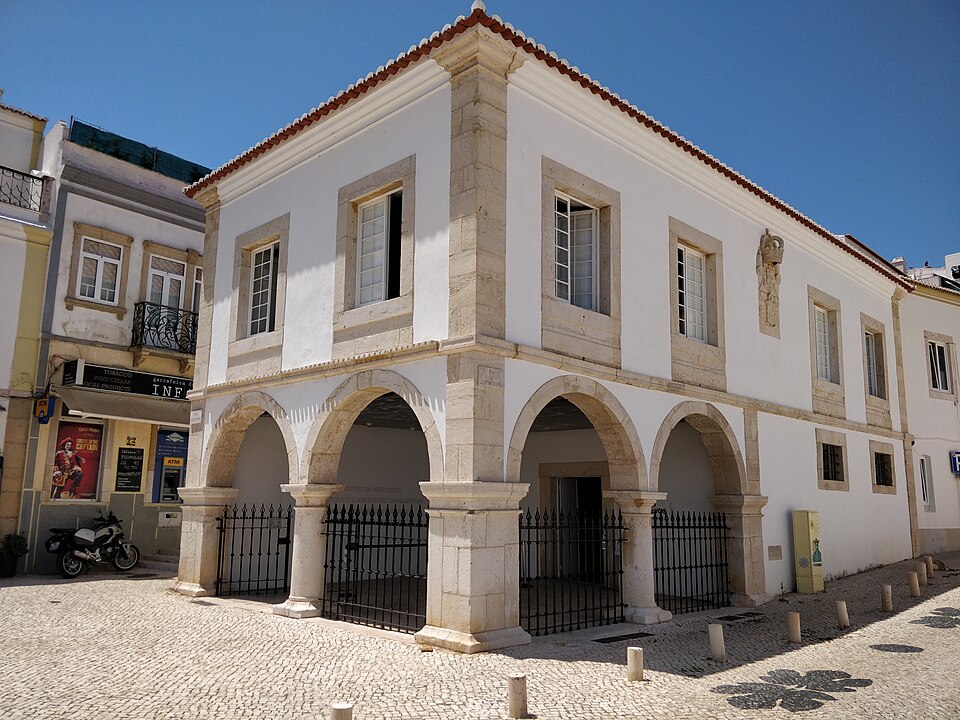
Mercado de Lagos
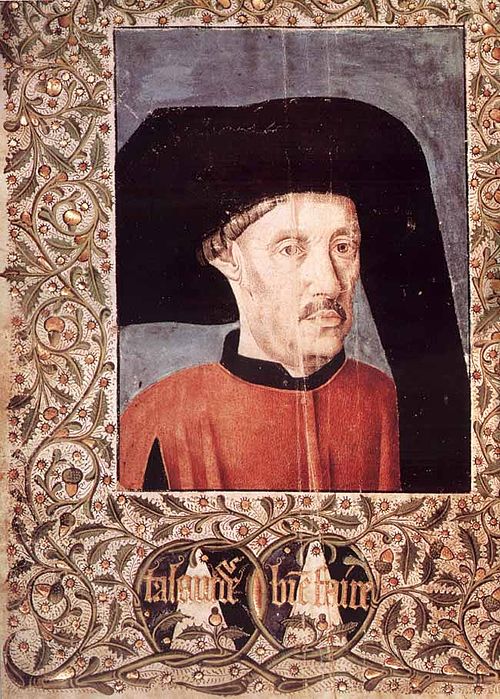
Chronicle of Guinea's Achievements (cover)
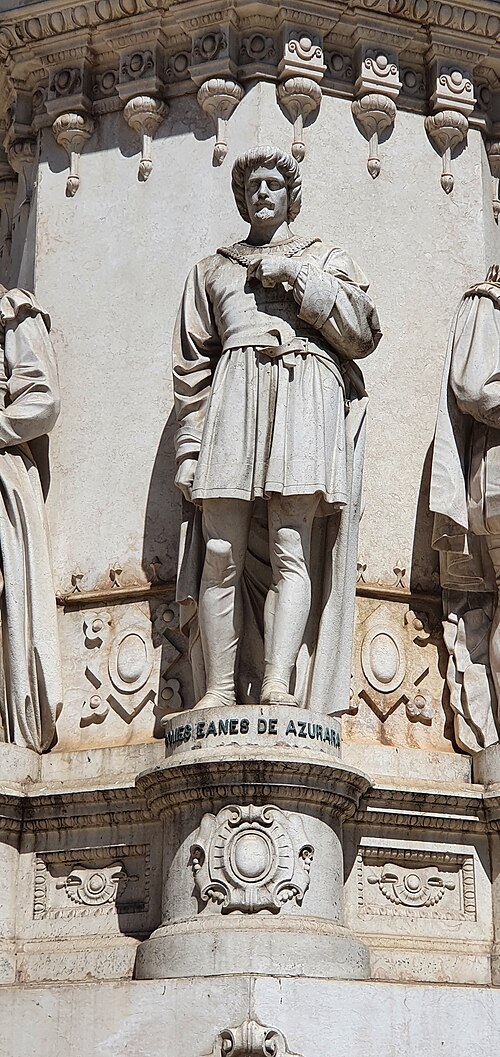
Gomes Eanes de Zurara
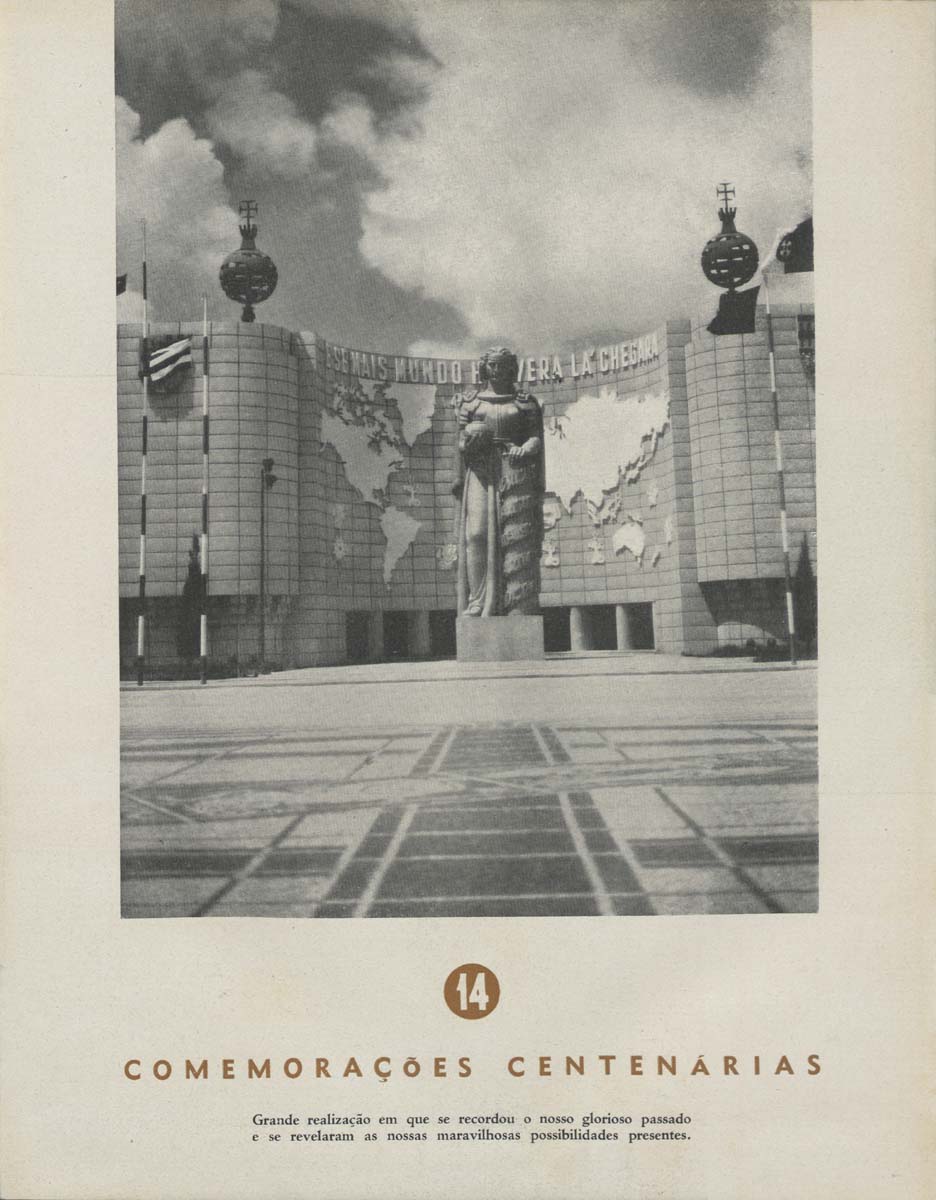
World Portuguese Pavilion
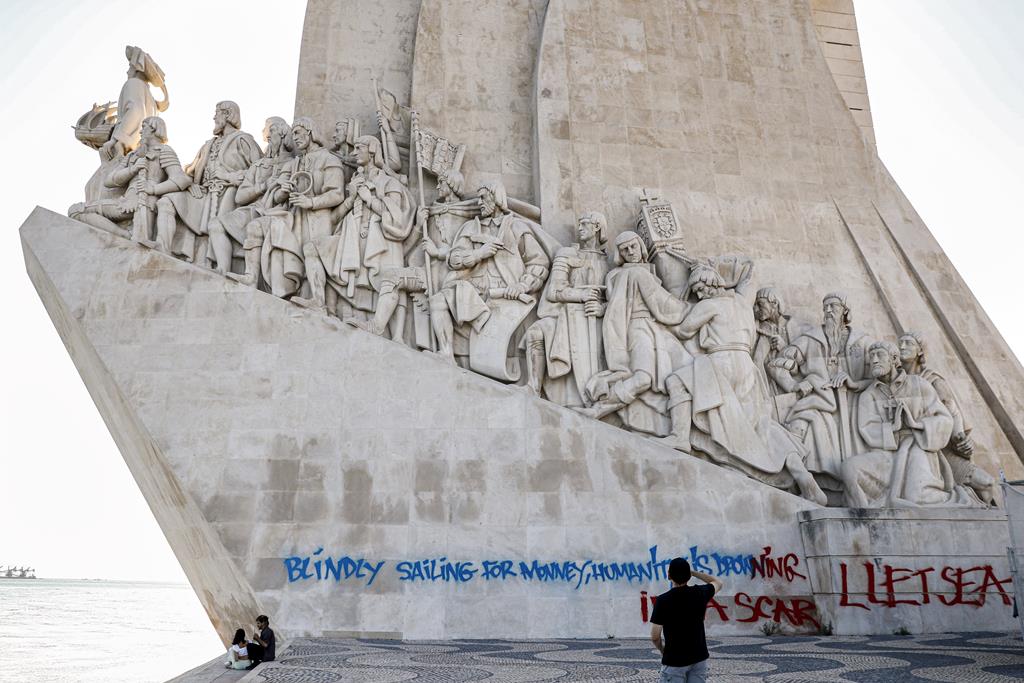
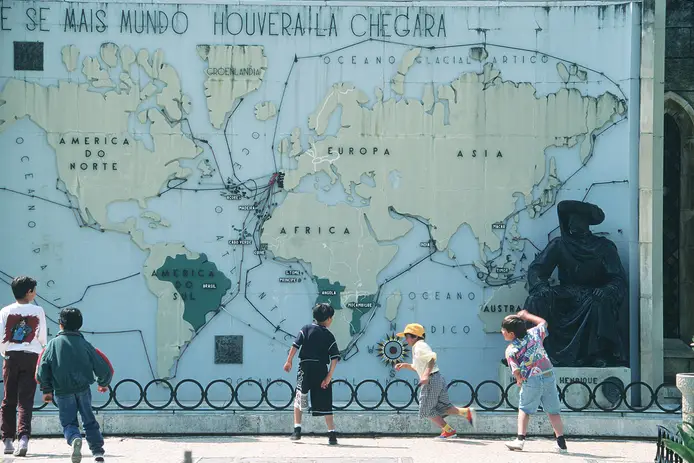
Monument to the Discoveries (Intervention)
«Double Century» Celebrations
Landing of Pedro Álvares Cabral in Porto Seguro
Heisting of the Cross in Porto Seguro
O Século Magazine
Portugal dos Pequenitos Map
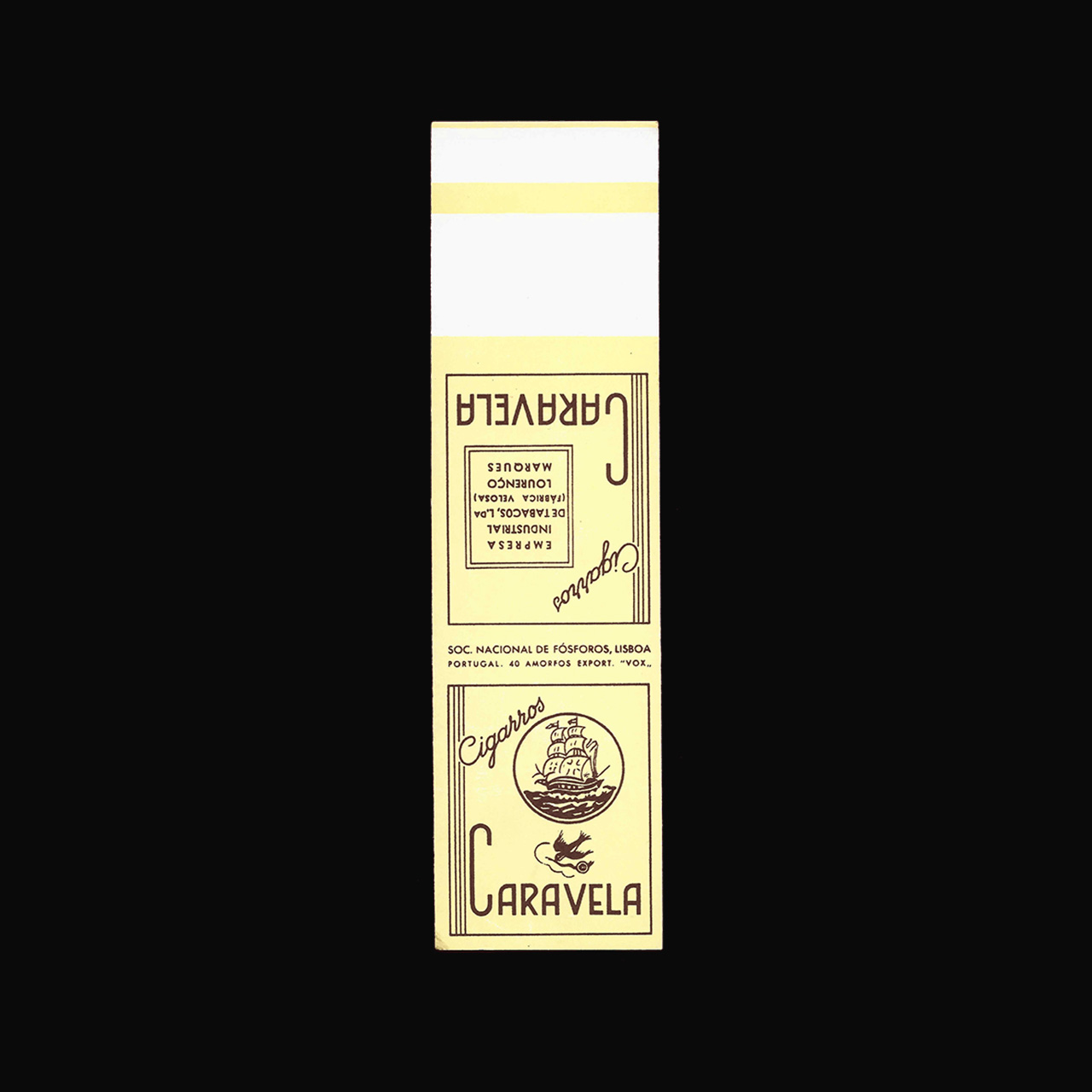
Caravela Cigarettes
Lottery Commemorating the ‘Discovery’ of Brazil
General map of the transatlantic traffic
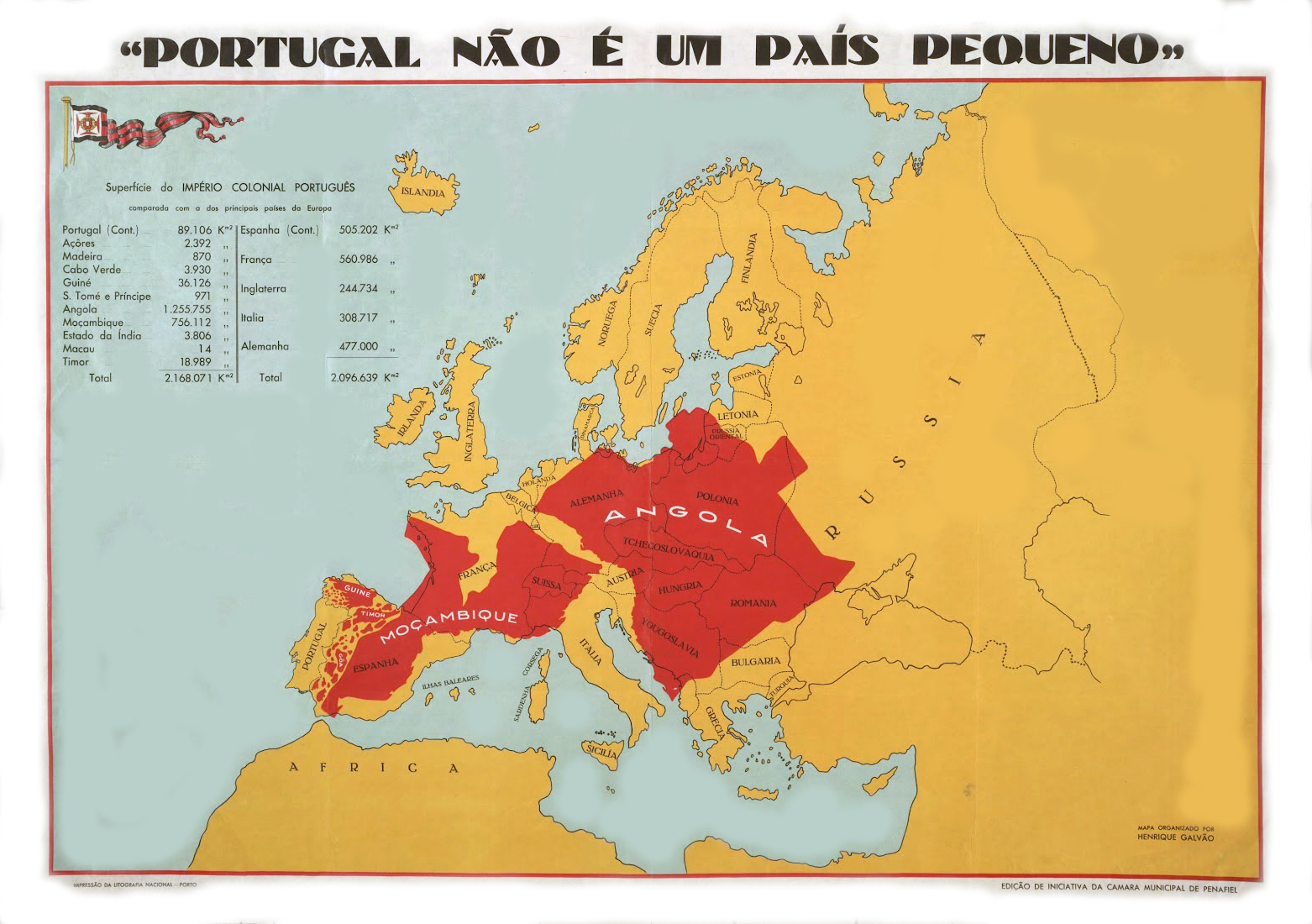
Portugal não é um País Pequeno
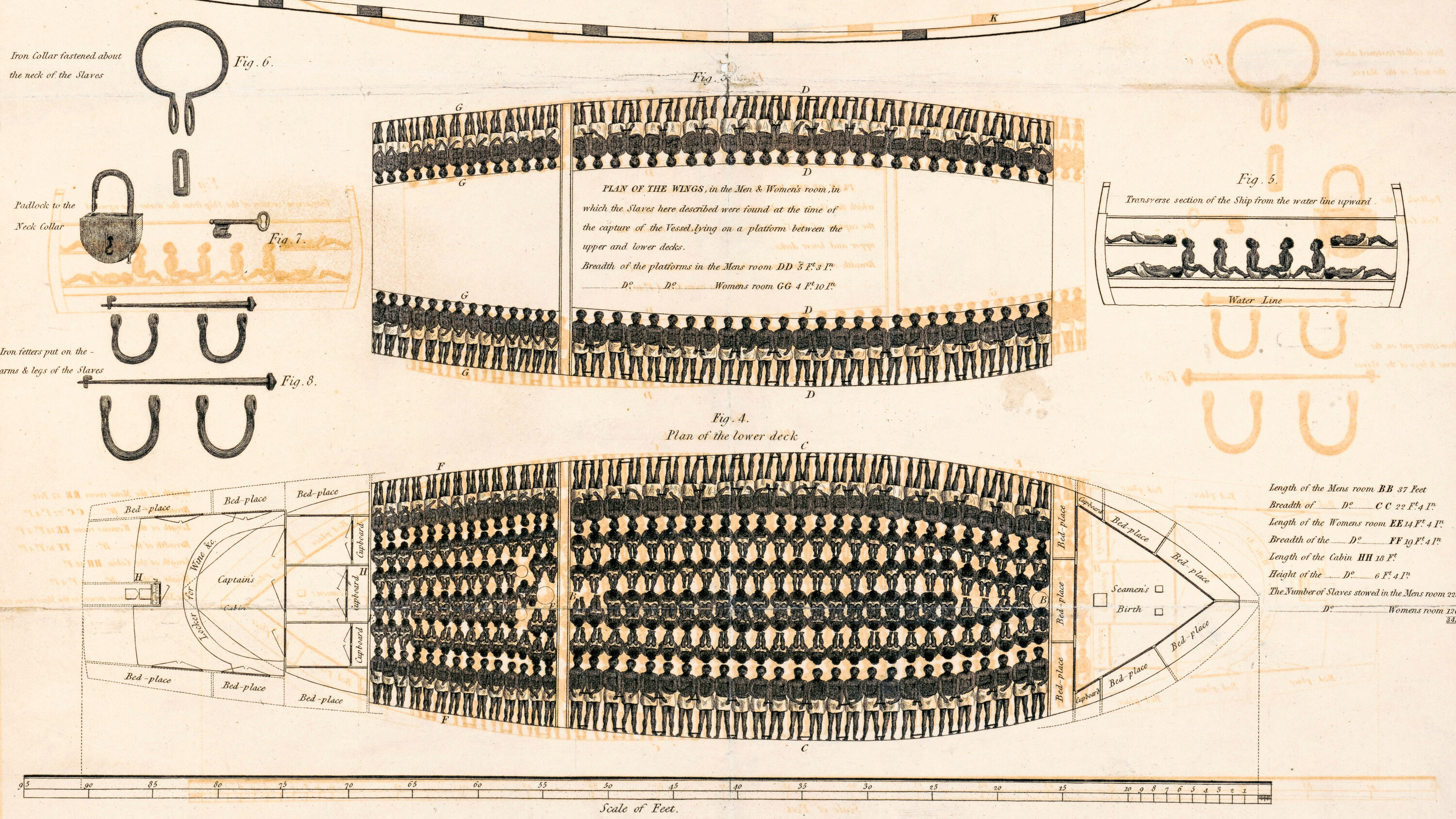
Stowage of the Black Ship Brooks
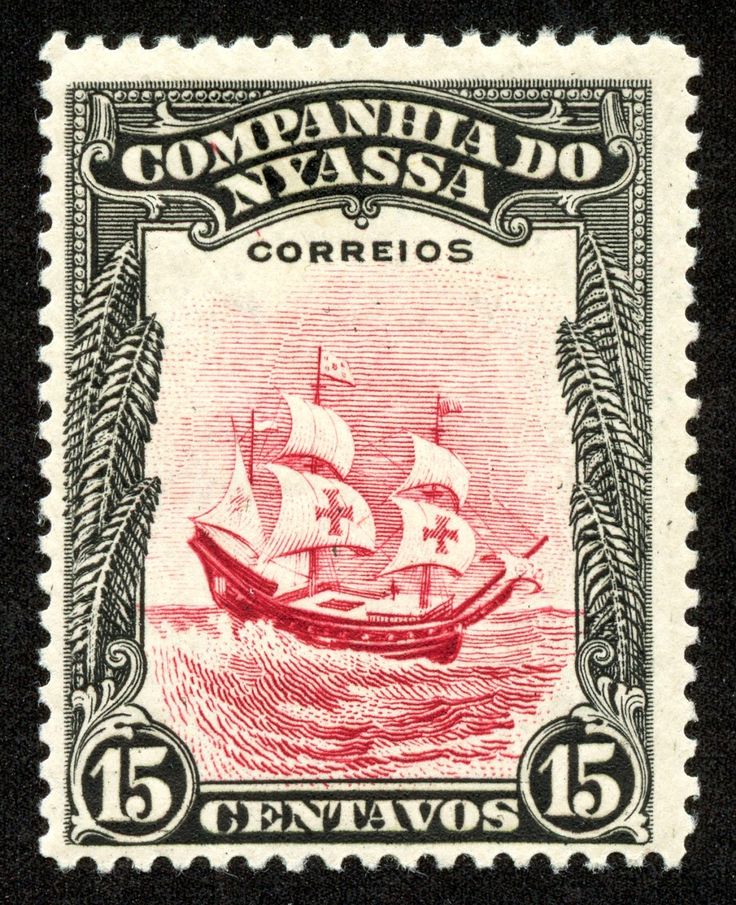
Stamp of Companhia do Niassa (Mozambique)
Adamastor Monument
El-Rei Fountain (Painting)
My History of the Discovery Age
National Overseas Bank
Theatrum Orbis Terrarum
Dum Diversas
Filipa de Lencastre in the Monument to the
Monument to the
First Portuguese Colonial Exhibition
Pink Map
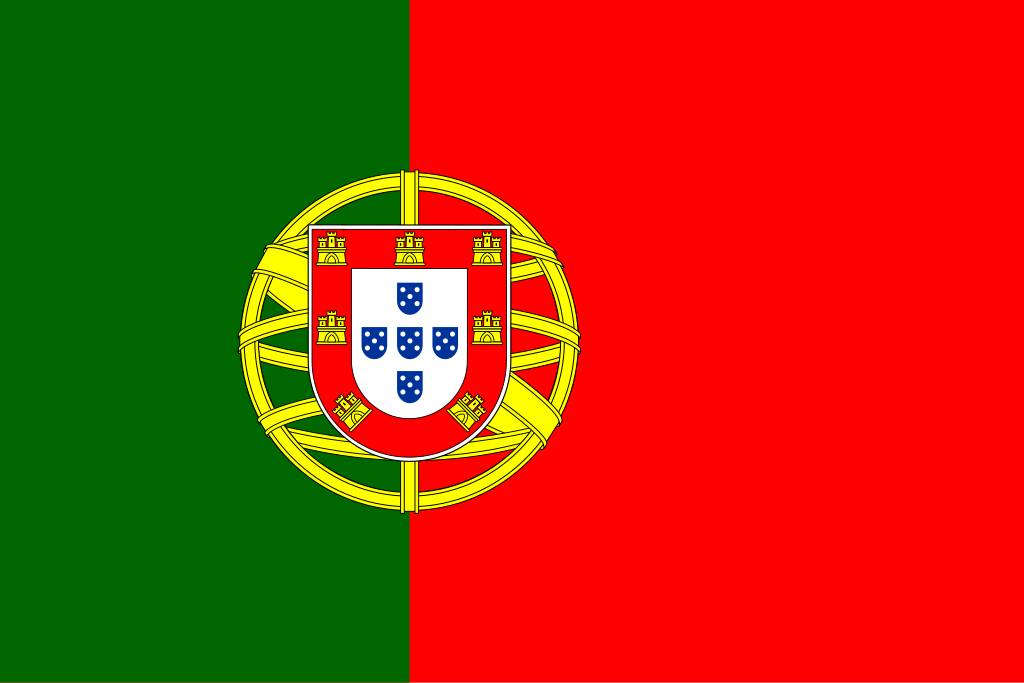
Portuguese National Flag
Monument to the Colonising Effort
Sovereignty
Chronicle of Guinea's Achievements (cover)
Gomes Eanes de Zurara
World Portuguese Pavilion
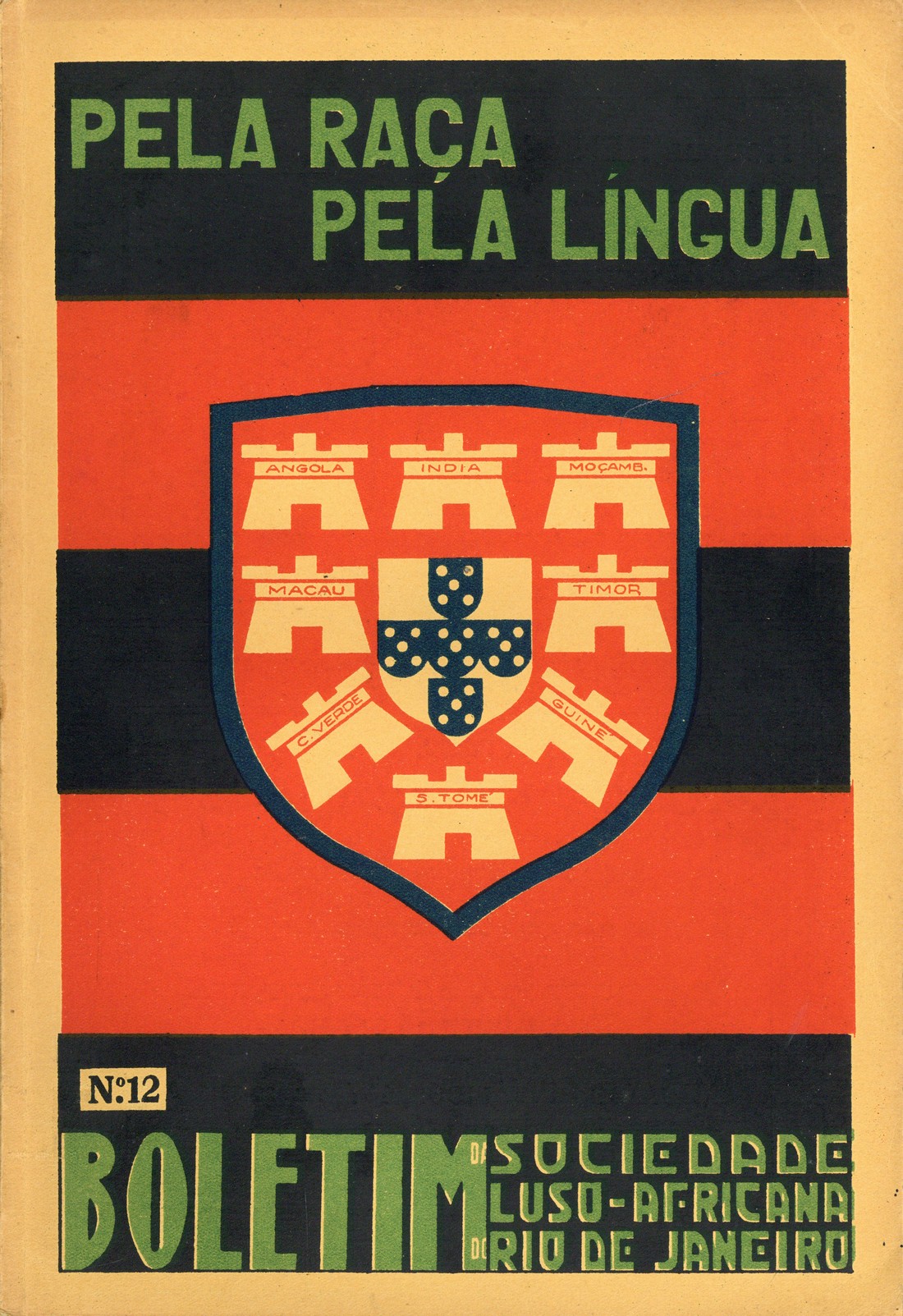
Bulletin of the Luso-African Society of Rio de Janeiro
Monument to the Discoveries (Intervention)
«Double Century» Celebrations
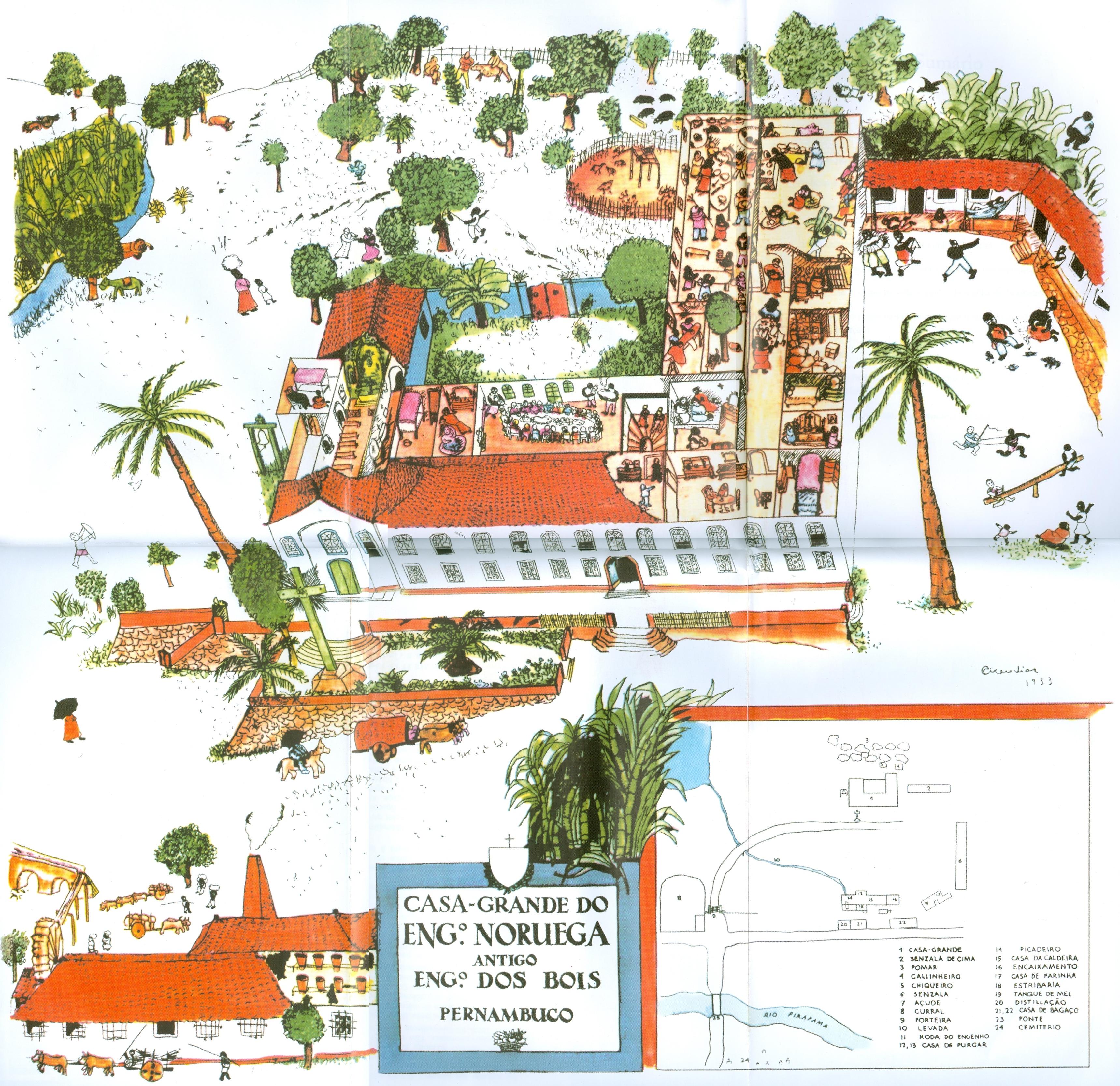
Casa Grande & Senzala
O Século Magazine
Portugal dos Pequenitos Map
Lottery Commemorating the ‘Discovery’ of Brazil
General map of the transatlantic traffic
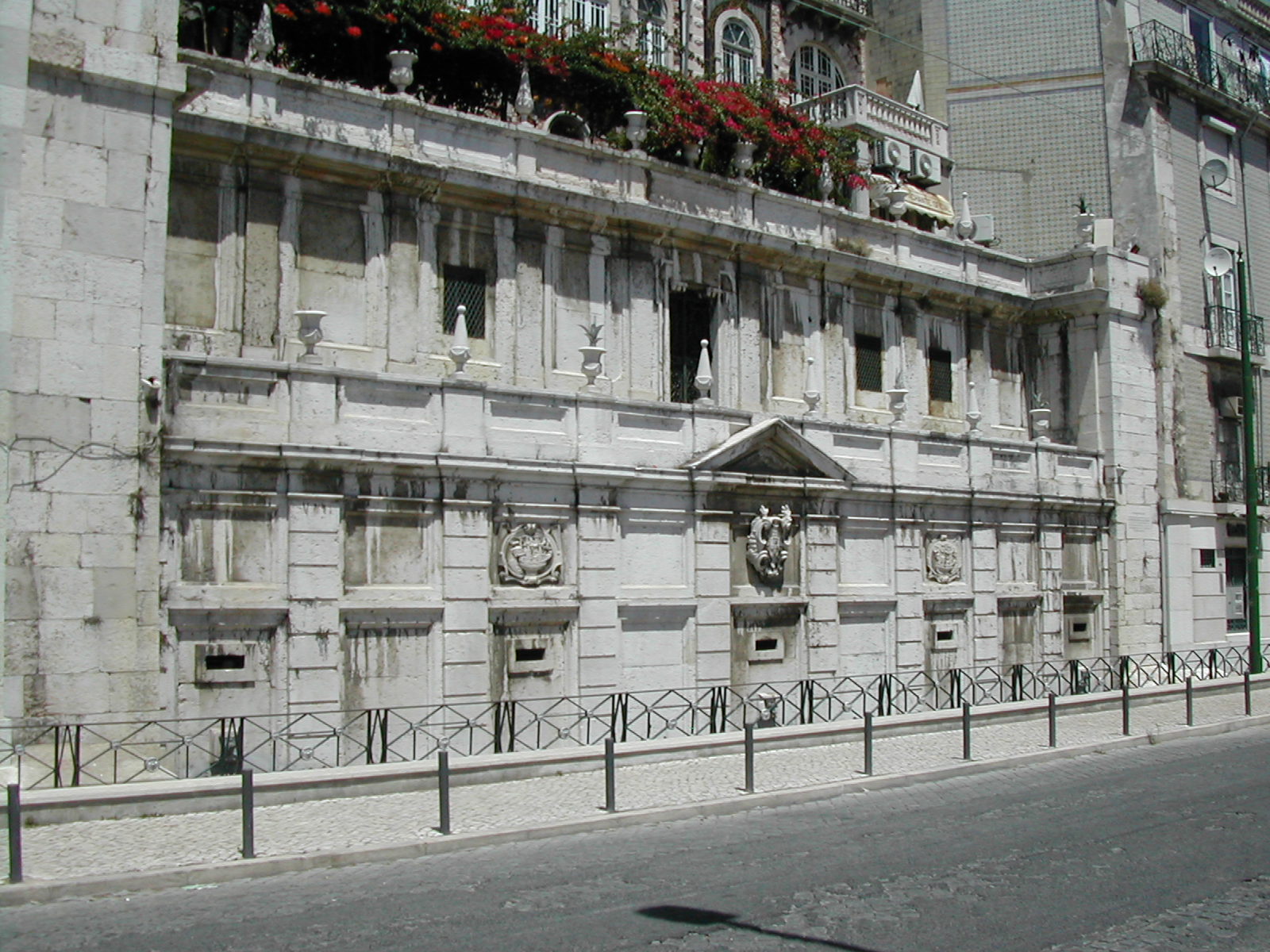
El-Rei Fountain
Portugal não é um País Pequeno
Stamp of Companhia do Niassa (Mozambique)
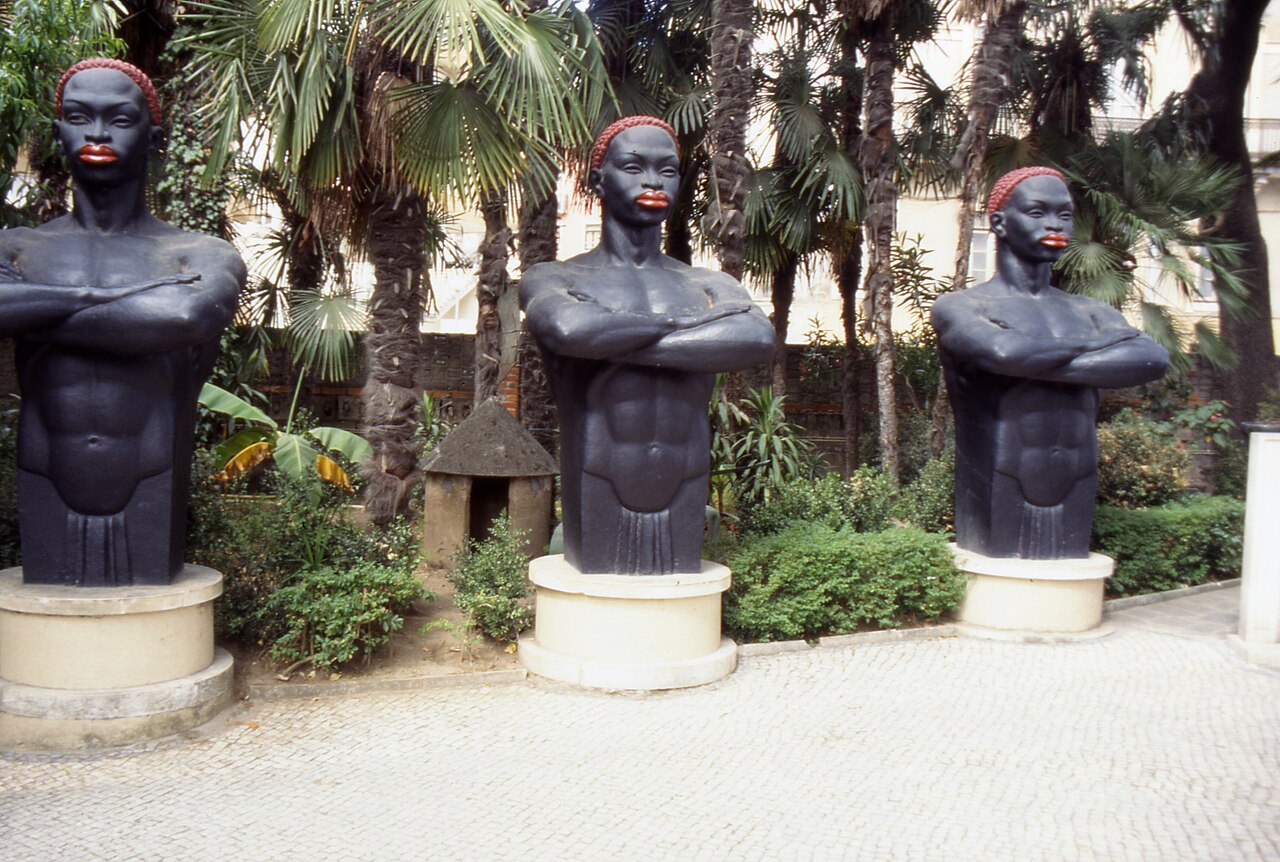
Racist Statues
Adamastor Monument
El-Rei Fountain (Painting)
My History of the Discovery Age
National Overseas Bank
Theatrum Orbis Terrarum
Dum Diversas
Padrão (replica)
Filipa de Lencastre in the Monument to the
First Portuguese Colonial Exhibition
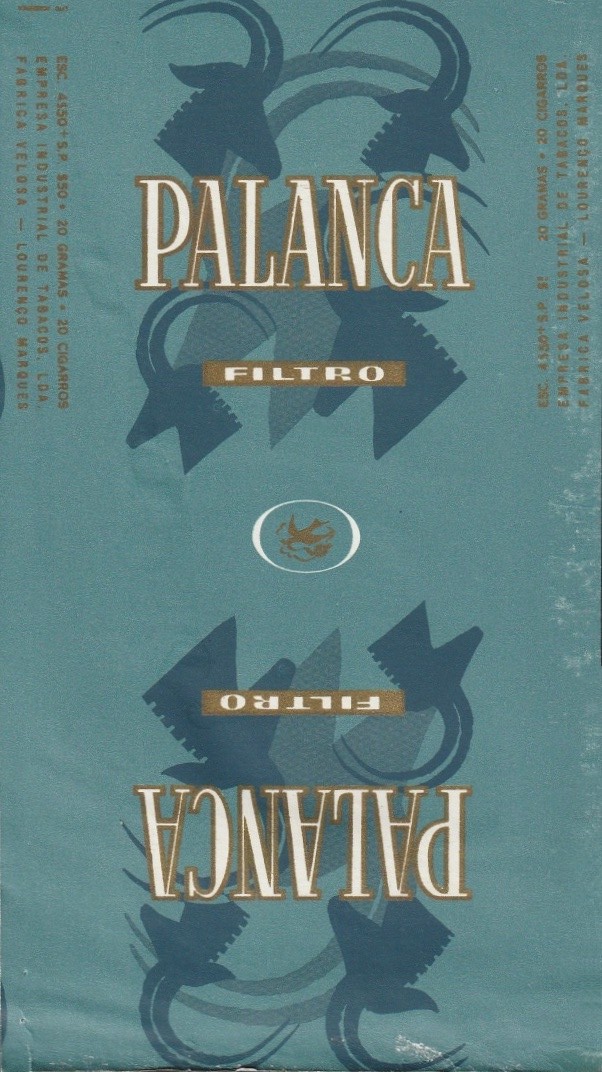
Palanca Cigarettes
Monument to the Colonising Effort
Mercado de Lagos
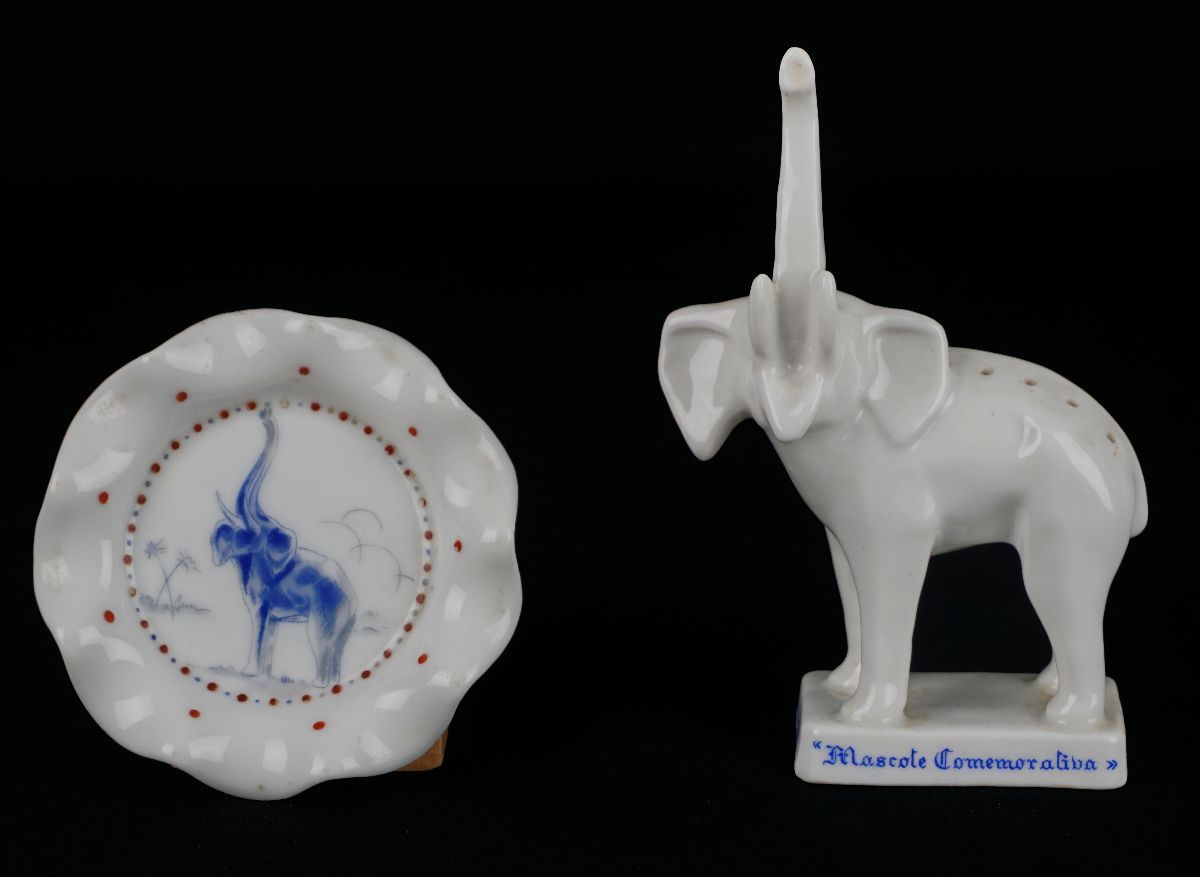
Colonial Elephant
Toothpick Holder Elephant
Casa Grande & Senzala
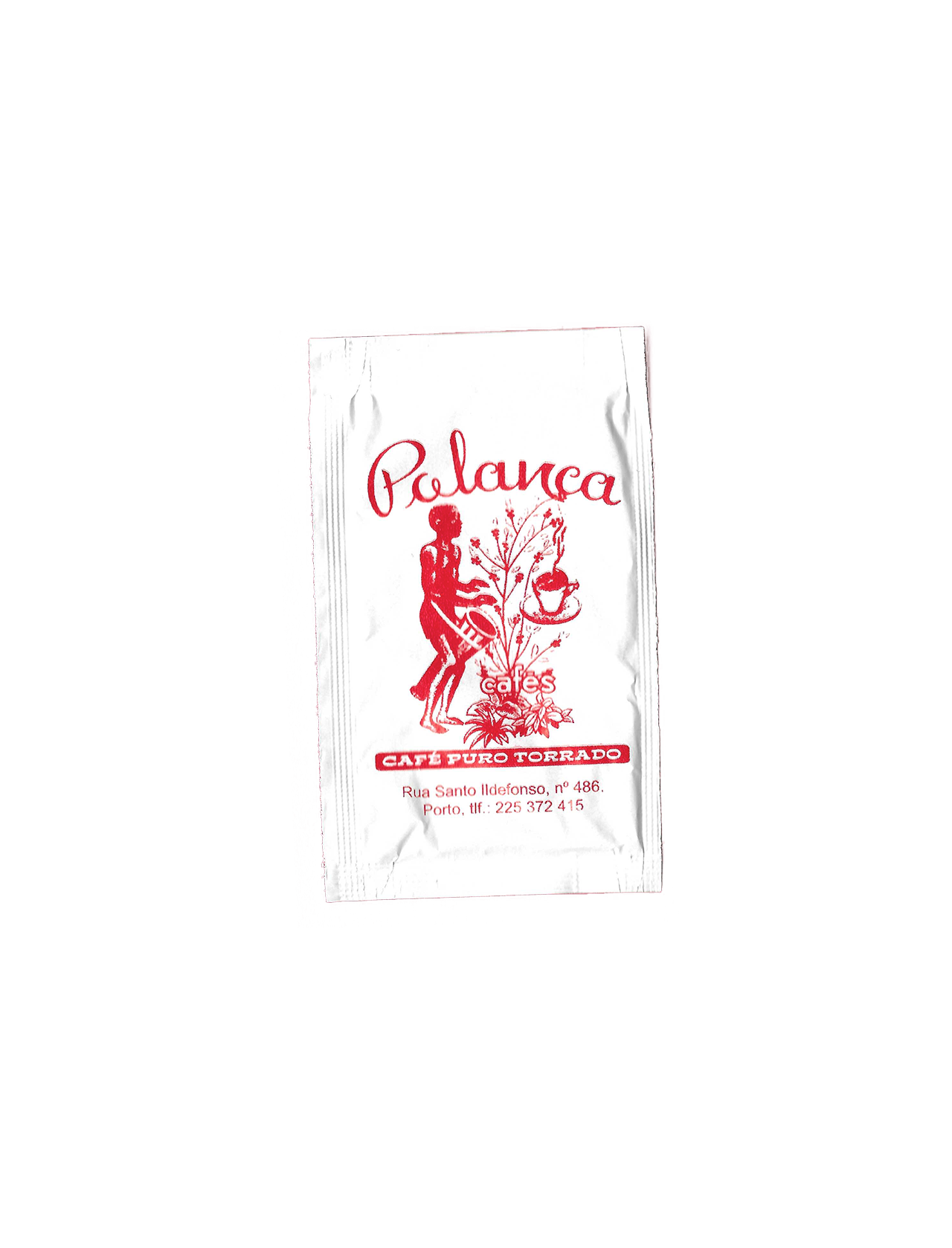
Palanca Sugar Packet
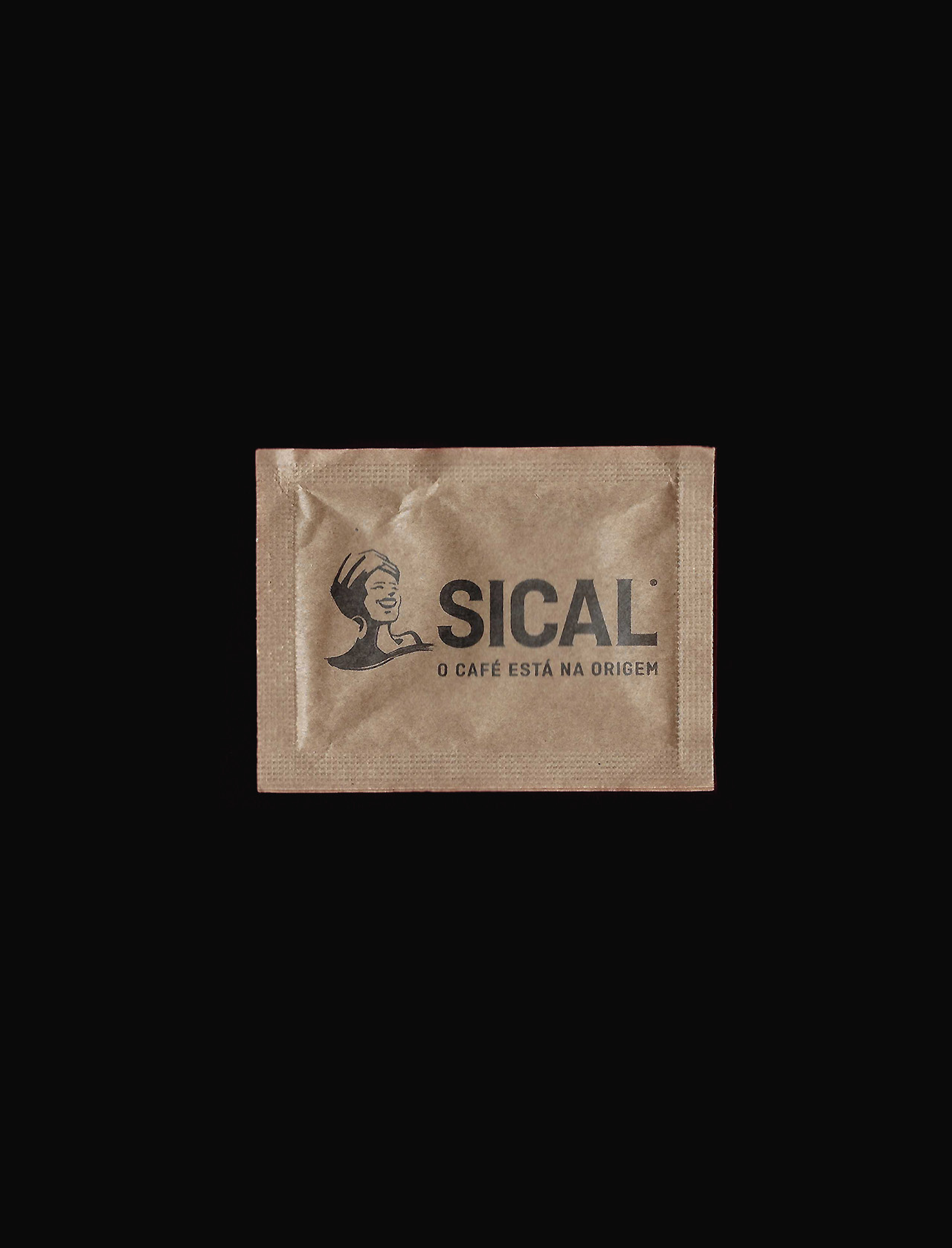
Sical Sugar Packet
Anchieta and the Beasts
General map of the transatlantic traffic
Stowage of the Black Ship Brooks
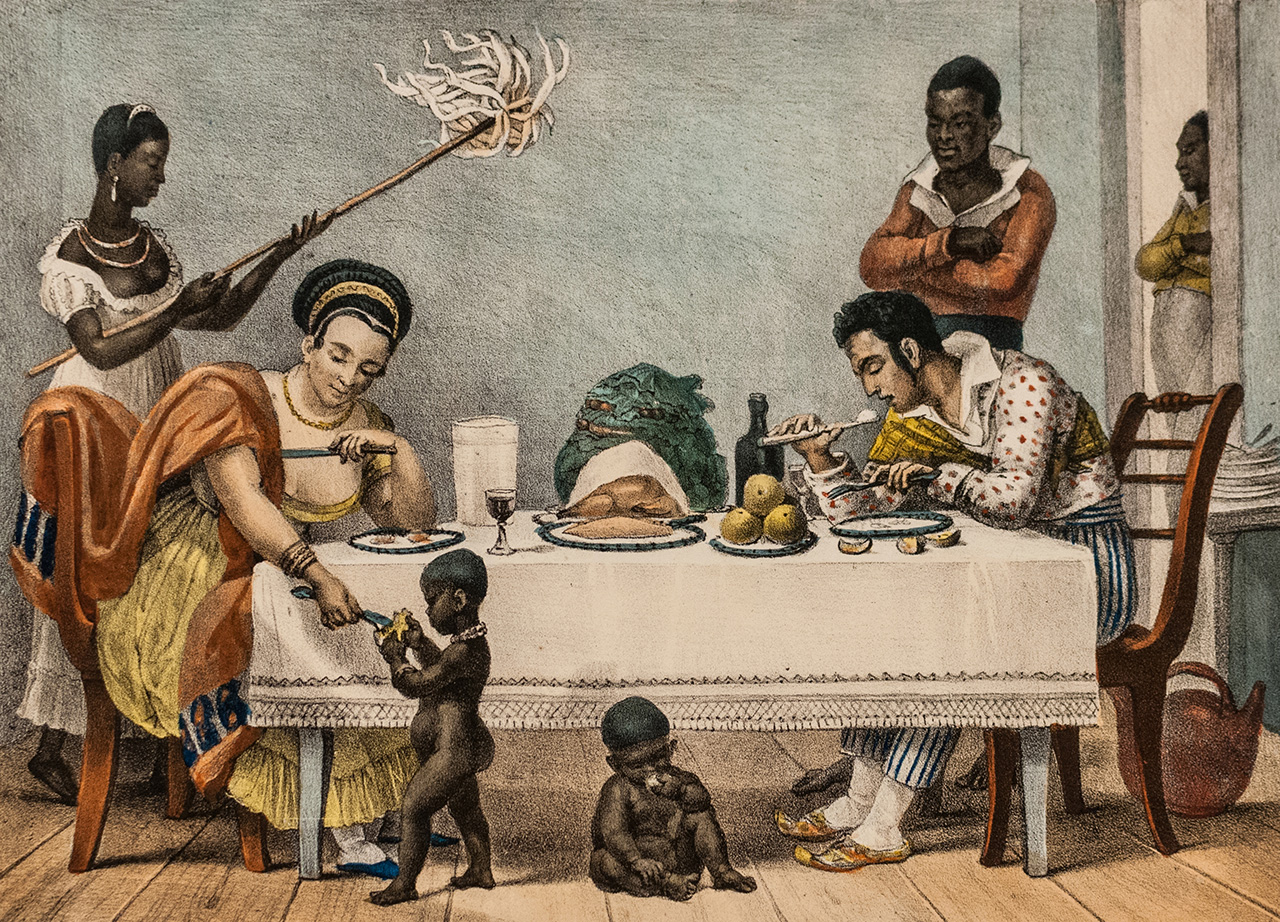
A Brazilian family in Rio de Janeiro
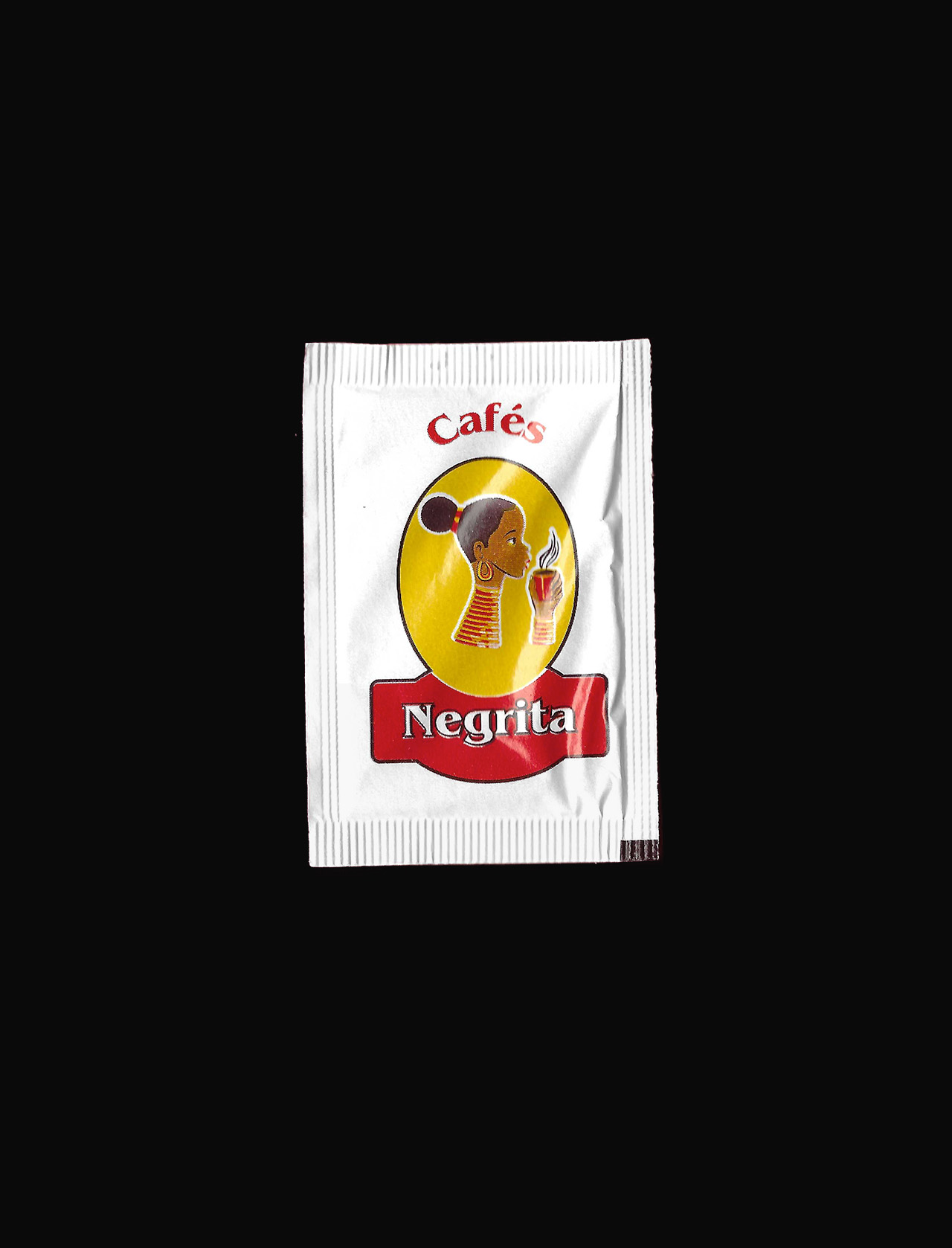
Negrita Sugar Packet
Racist Statues
National Overseas Bank
The First Mass in Brazil
Dum Diversas

Exploring Connections in Colonial Imagery

On maps we trace routes, with symbols we erect myths, in images we build nations, through stories we enslave peoples. How many icons are needed to remember an empire?

Between caravels, crosses, commodities and flags, the colonial narrative is realised through the imposition of its symbols.

ATLAS is an artistic research project that combines audiovisual and design in order to trace the role of the image in the formulation of Eurocentric colonial narratives.

This research brings together materials in exhibitions, audiovisual installations, an online archive, open talks and public workshops.

Through the image and its symbolism in free association, this online archive now presents its findings for us to consider.

Discover the Symbols

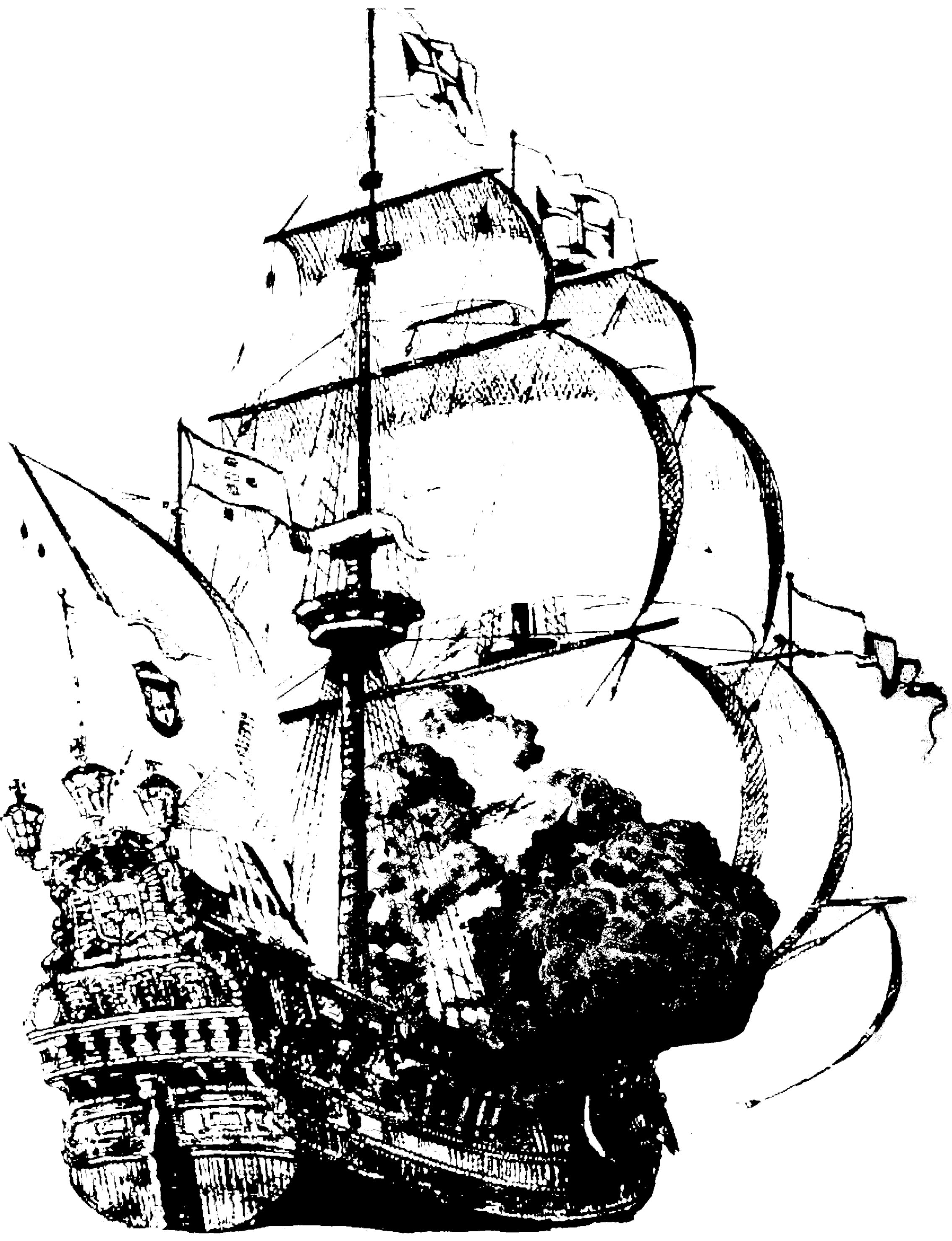
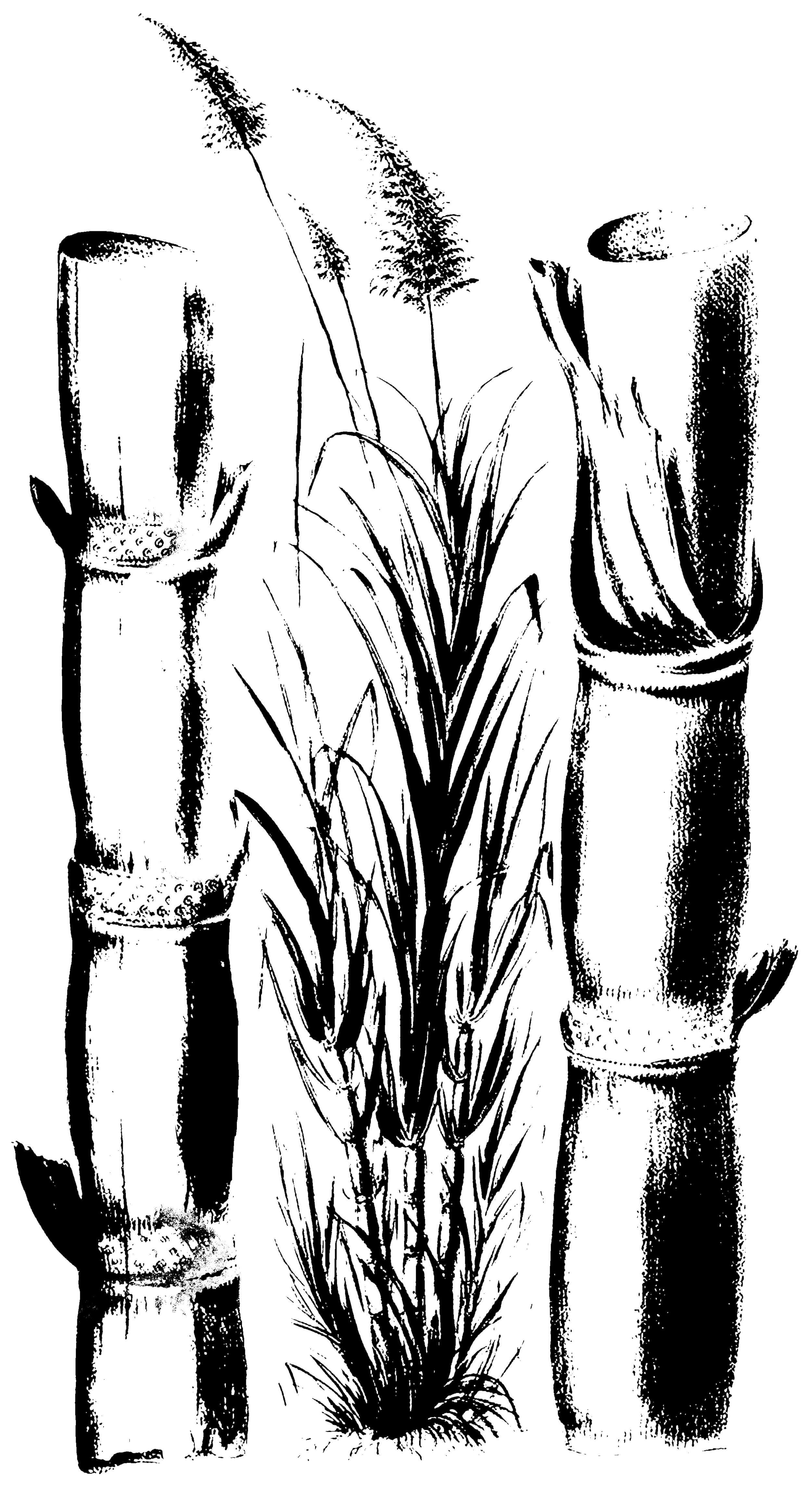
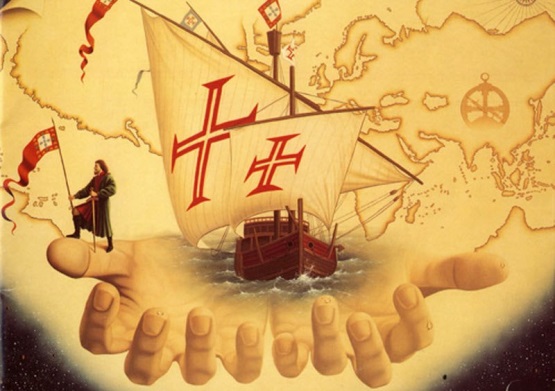
The caravel, the cross, sugar, and the flag.

  • Reflexão

    The Religious Myth

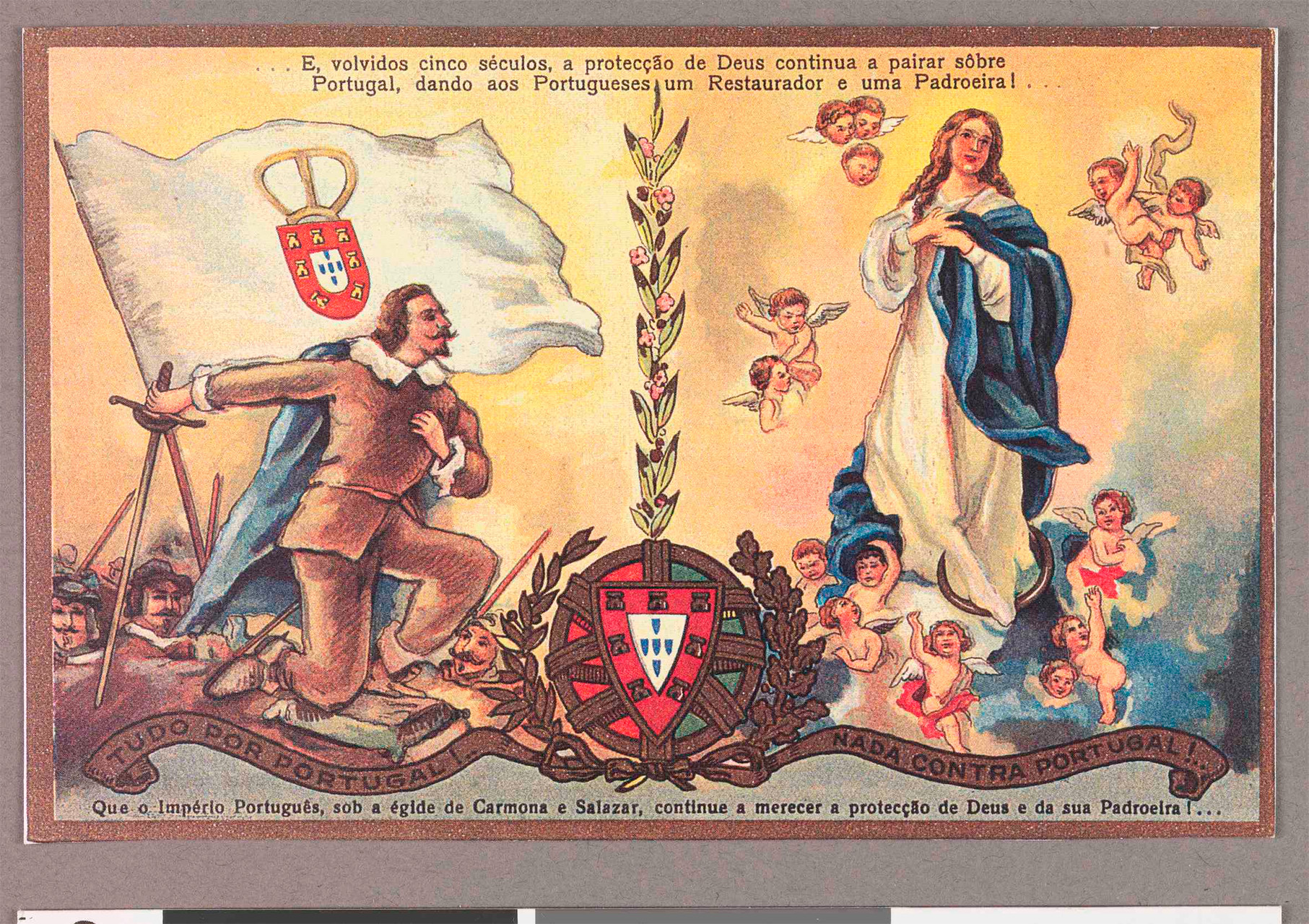
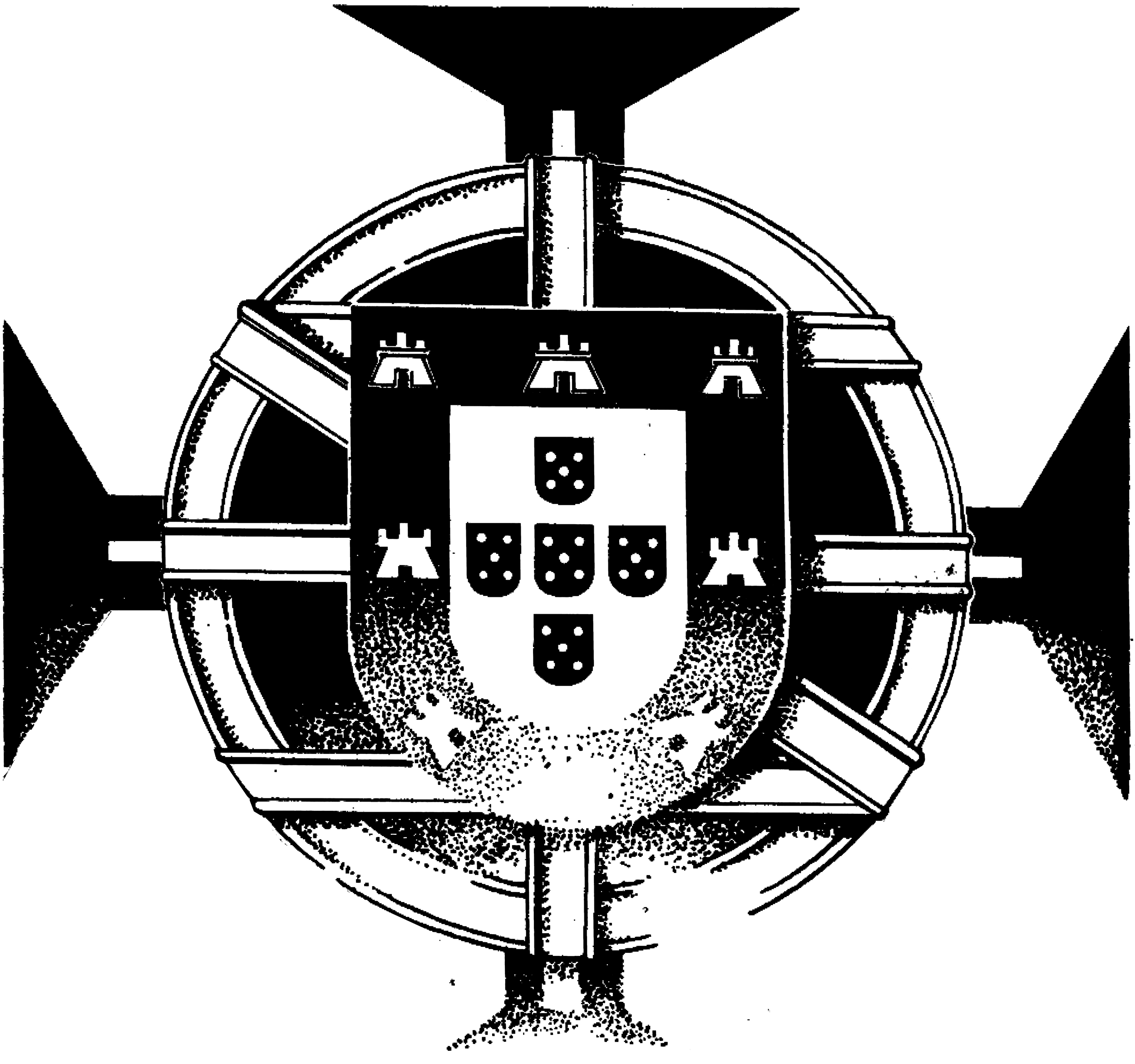
    The cross was present throughout the process of transatlantic colonisation, as the Christian religion was used as a justification for the invasion of territories and the enslavement of non-Christian peoples.


    From forced baptism to the standards planted as a symbol of territorial conquest, the cross is the symbol of Catholic violence and the forced evangelisation of other peoples, particularly the indigenous peoples who already lived in the lands occupied by the colonisers.

    In Portugal, the myth of the ‘divine mission of colonisation’ is still used today.


    Figures such as Father António Vieira, José de Anchieta and Manuel da Nóbrega, Jesuits who took part in the process of evangelisation in Brazil, are remembered as ‘defenders of Indian rights’ because they believed in the liberation of indigenous peoples through evangelisation and religious conversion.


    It was a process of violence that forced indigenous peoples to cut their hair, change their languages, their clothes, their customs, in exchange for survival.

    On the other hand, this religious ‘protection’ didn't apply to everyone, since the Jesuits didn't seem to have the same empathy for the enslaved blacks, who were seen by the holy faith as “savages” ‘without a soul’.

    To call the Jesuit priests of colonisation ‘defenders of human rights’ is to perpetuate a violent erasure of the suffering of colonised peoples and an error of historical anachronism.


    This myth helps to reinforce racist and imperialist ideas, which ignore the violence of forced religious conversion, genocide and the cultural and identity erasure of colonised peoples.


    The cross, loaded with the symbolism of guilt and suffering, was the first object to be planted whenever the colonisers arrived in a new territory of the so-called ‘New World’.


    It redeemed some and massacred others.

    To this day, it personifies the binary division of the Western world: good/bad, sacred/profane, light/dark, savage/civilised, man/woman, natural/human. 

Colophon

ATLAS is a project developed by the artistic production structure pedro&inês (Inês Costa, Thiago Liberdade), in collaboration with Thiago Gondim e Yuri Bonfim (audio) and Atelier Mútuo (web design and development), e Dalai (Pedro Gomes, guest artist).

The project also has the collaboration of Nuno Coelho (talk moderation in Lisbon), Bárbara Monteiro (recording in Lisbon), Nina Paim (talk moderation in Porto), and Willian Ferreira (recording porto Porto).

The ATLAS project is co-financed by the União Europeia and by Direção Geral das Artes, and has the support of  Gerador, CRL – Central Elétrica, Bikini Books, Centro de Investigação Artística – HANGAR, Faculdade de Belas Artes da Universidade do Porto and Mestrado em Design da Imagem.


The silkscreen posters were printed by Oficina Atalaia in Porto. Oficina Atalaia, in Porto.


This website is formatted in ABC Helveesti, font designed by Dinamo with Andree Paat and published by the same in 2025; and Neureal, designed by Laura Csocsán and published by ECAL Typefaces in 2023.